

If you’re looking for the quintessential Cotswold experience without the feeling that you’ve stepped into a museum where you can’t touch anything, Moreton-in-Marsh is your spot. While other villages in the region are famous for being "pretty" (and they are), Moreton-in-Marsh is famous for being functional. It’s a proper, working market town that has been the beating heart of the North Cotswolds for centuries.
At Shakespeare Coaches, we love stopping here because it offers something different. It’s spacious, it’s historic, and it has a direct link to one of the greatest fantasy epics ever written. Here is everything you need to know about Moreton-in-Marsh in a format that won’t waste your time.
The Layout: One Long, Historic Stretch
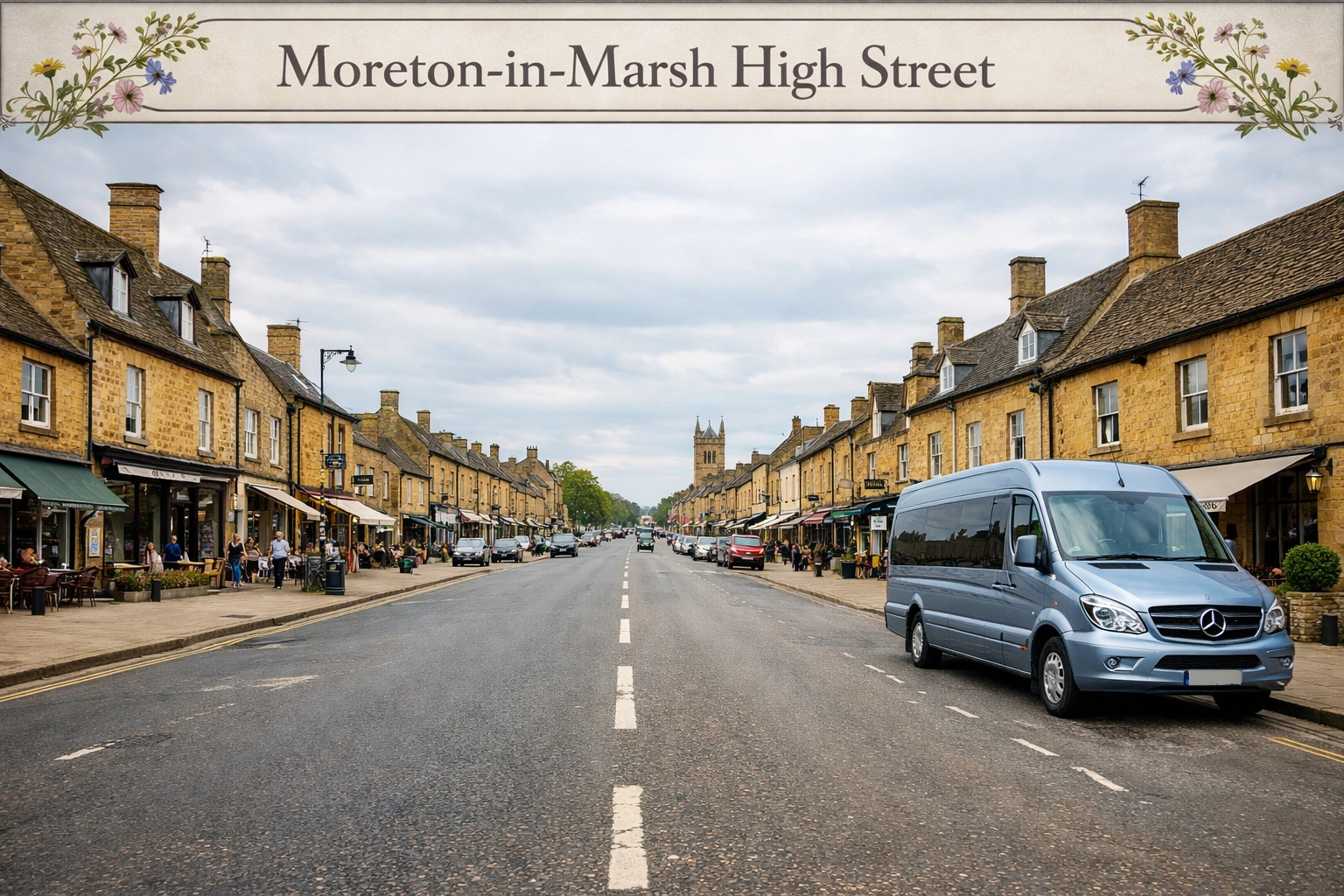
Unlike the winding, narrow lanes of Castle Combe or the cramped corners of some smaller hamlets, Moreton-in-Marsh is built around a gloriously wide High Street. This isn’t an accident of modern planning; it’s a 13th-century design. The town was "planted" here as a new town in the 1220s to take advantage of the intersection of the Fosse Way (the old Roman road) and the main route from Oxford to Worcester.
When you stand on the High Street today, you are essentially standing on top of Roman history. The original Roman road sits about three feet below the current pavement. The width of the street was designed to accommodate massive markets, and that tradition hasn't changed a bit.
The Tolkien Connection: Middle-earth in the Cotswolds
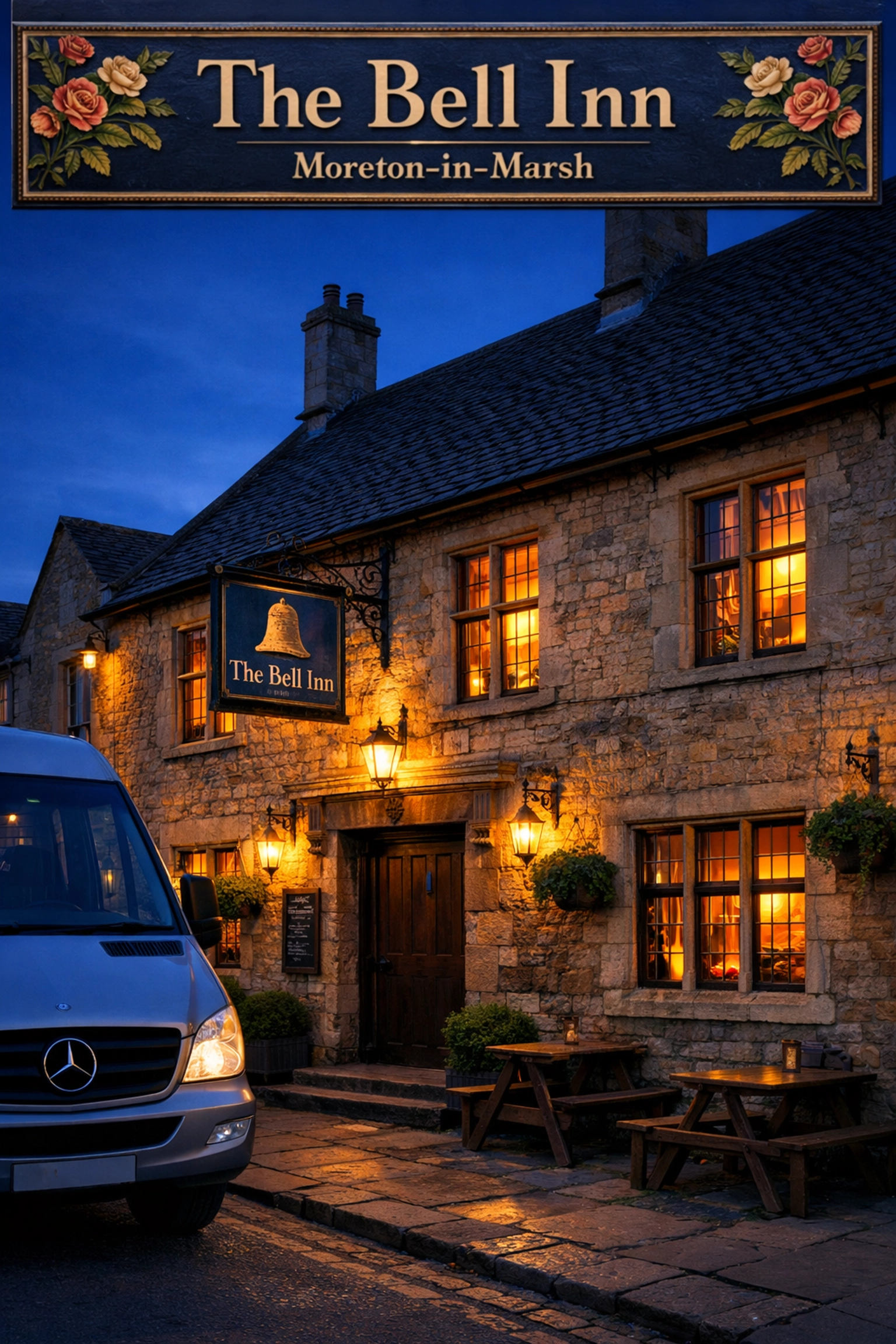
If you’re a fan of The Lord of the Rings, Moreton-in-Marsh is a place of pilgrimage. J.R.R. Tolkien was a frequent visitor to the area, often meeting his brother in the town. Local historians and Tolkien scholars have long identified The Bell Inn on the High Street as the primary inspiration for "The Prancing Pony" in Bree.
The similarities are more than just a coincidence. Tolkien’s "Four Shire Stone," located just a mile east of the town, marks the historic meeting point of Gloucestershire, Warwickshire, Oxfordshire, and Worcestershire. In Middle-earth, this became the "Three-Farthing Stone."
When you walk into The Bell Inn today, you can easily imagine Frodo and the Hobbits ducking in for a pint of ale. It’s a must-visit for any "Tolkienite" looking to see the real-world roots of the Shire and its surroundings.
The Famous Tuesday Market
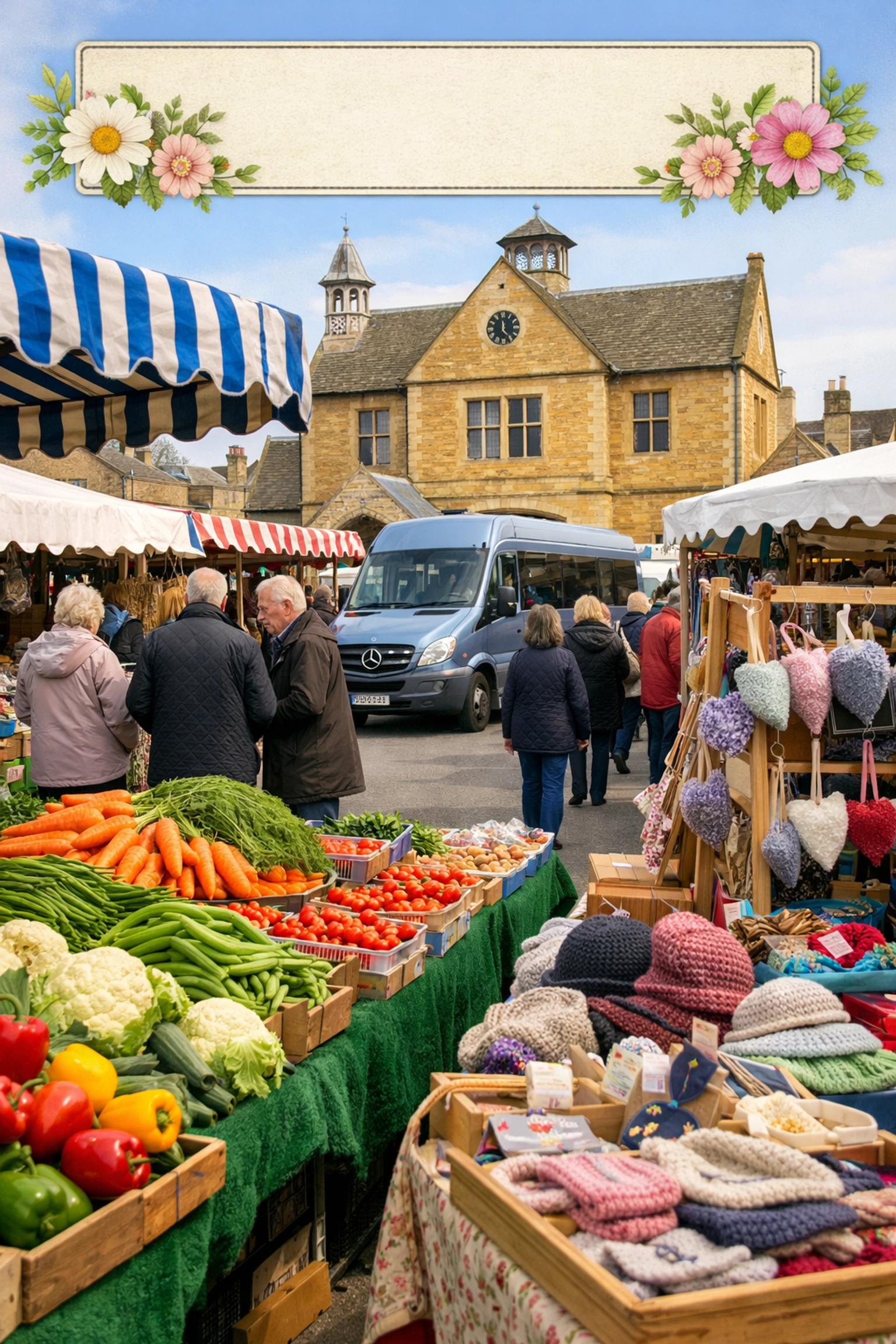
If you happen to visit on a Tuesday, be prepared for a crowd: but a good one. Moreton-in-Marsh hosts the largest open-air street market in the Cotswolds. We’re talking about 200+ stalls selling everything from local cheeses and organic produce to leather goods, antiques, and homeware.
The market has been running under a charter for centuries, and it gives the town an energy you won't find in the quieter "sleepy" villages. It’s the best place to grab a local snack or find a unique souvenir that isn't a mass-produced keychain.
Landmarks You Can’t Miss
Even if you only have an hour, keep your eyes peeled for these three architectural gems:
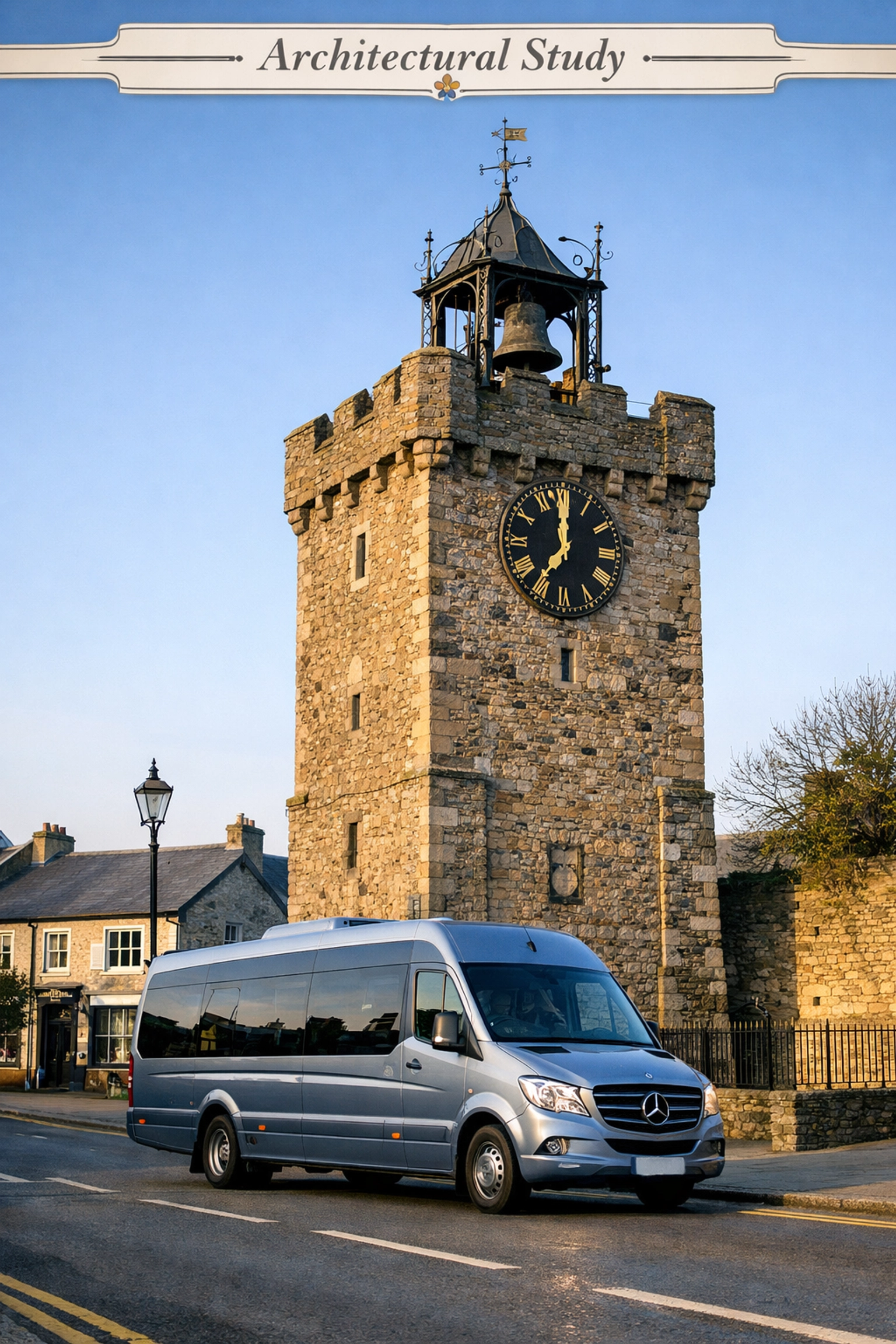
- The Curfew Tower: Dating back to the 16th century, this stone tower stands at the junction of the High Street and Oxford Street. It still contains its original bell, which was rung nightly until 1860 to remind residents to extinguish their fires: a vital safety measure in a town built largely of wood and thatch at the time.
- Redesdale Hall: This is the big, imposing Victorian building in the center of the town. It’s the hub for community events, antique fairs, and craft markets. If the doors are open, pop your head in; the interior is just as grand as the Cotswold stone exterior.
- The White Hart Royal: A historic coaching inn where King Charles I supposedly stayed during the English Civil War in 1644. You can see a copy of his unpaid bill on the wall!
Food, Drink, and Refueling
Moreton-in-Marsh is a paradise for hungry travelers. Because it’s a "hub," the quality of the pubs and cafes is exceptionally high to keep up with the locals, not just the tourists.
- The Bell Inn: Go for the Tolkien history, stay for the classic pub atmosphere and solid local ales.
- The Marshmallow: A classic, cozy English tearoom perfect for scones and cream tea.
- Otis & Belle: If you want world-class sourdough or a pastry that rivals anything in London, this is the spot.
How to Get Here (The Smart Way)
Moreton-in-Marsh is unique because it is the only town in the North Cotswolds with its own railway station on the direct line from London Paddington. However, once you get off the train, you’re stuck in one spot.
That’s where we come in. At Shakespeare Coaches, we specialize in taking the stress out of the logistics. Our Cotswolds Tour in a Day is designed for people who want to see the best of the region without navigating narrow country lanes themselves.
Why choose us?
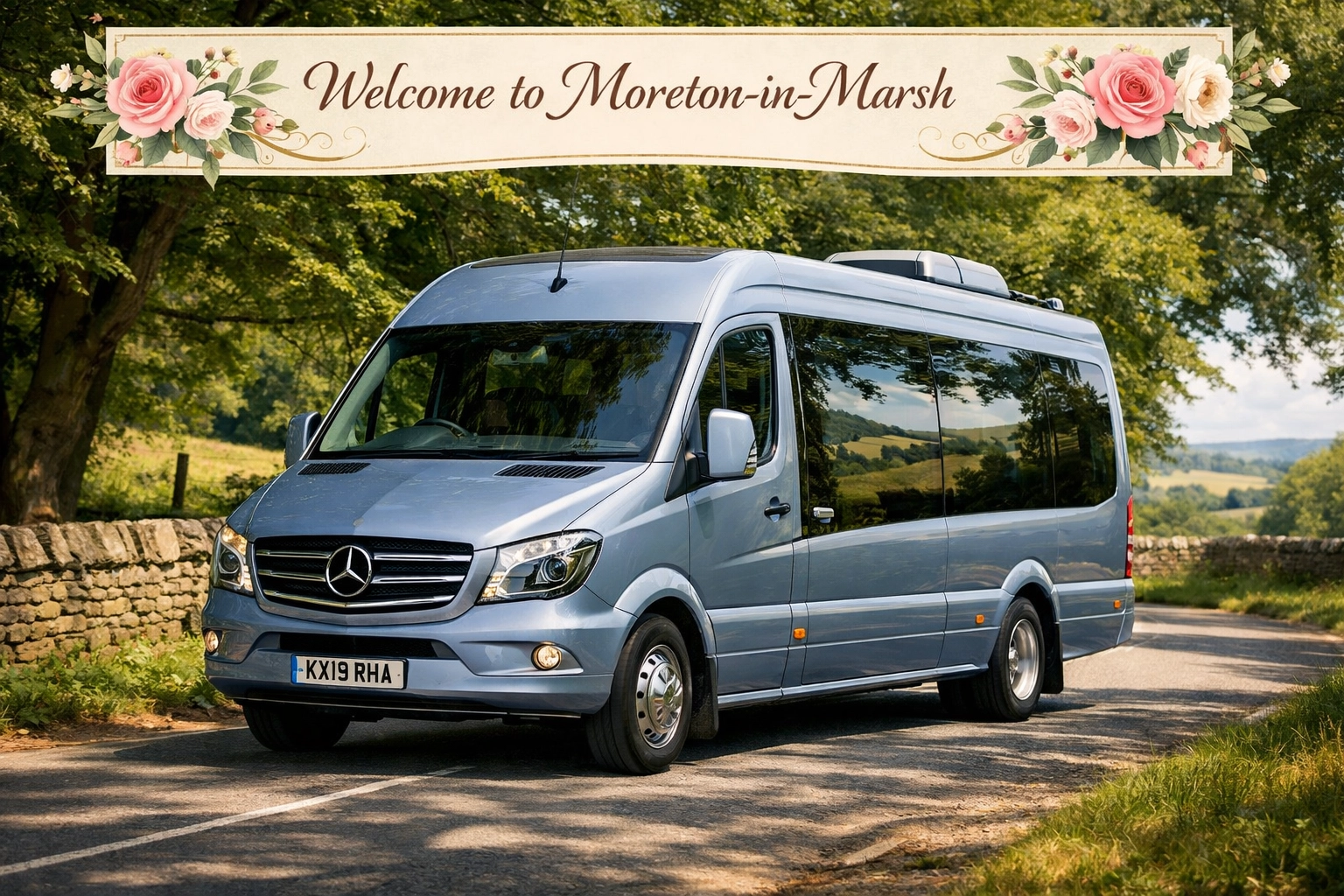
- Small Groups Only: We cap our tours at 16 people. No giant, impersonal buses here. We use premium mini-coaches that can actually fit down the picturesque backroads.
- Expert Local Knowledge: Our drivers aren't just steering the wheel; they are storytellers who know the hidden history of the Fosse Way and the best spots for a pint.
- London Connections: Many of our guests join us for a London to Stratford-upon-Avon journey, using Moreton-in-Marsh as their gateway to the wider Cotswolds.
Pro-Tips for Your Visit
- Parking: If you aren't traveling with us and choose to drive, be warned: Tuesday market day makes parking nearly impossible. Aim for the station car park or arrive before 9:00 AM.
- Walking: Moreton is the start/end point for several great walks, including the "Moreton Eight" trail. If you have a few hours, follow the footpaths out toward Batsford Arboretum.
- Nearby Attractions: If you have a car (or are on one of our group tours), make sure to visit Batsford Arboretum or the stunning Sezincote House, a 200-year-old Mogul-Indian palace nestled in the Gloucestershire countryside. It’s only five minutes away but feels like another continent.
Explore More of the Cotswolds
- Woodstock
- Northleach
- Great Tew
- Naunton
- Minster Lovell
- Moreton-in-Marsh
- Malmesbury
- Blockley
- Stanton
- Lacock
- Cirencester
- Winchcombe
- Painswick
- Tetbury
- Upper Slaughter
- Broadway
- Lower Slaughter
- Castle Combe
- Bibury
- Burford
- Bourton-on-the-Water
- Stow-on-the-Wold
- Snowshill
- Chipping Campden
- Stratford-upon-Avon