

If you’re driving into the Cotswolds from London or Oxford, there is one town that practically stands at the door, waving you in with a pint of ale and a honey-colored stone greeting. That town is Burford.
Known globally as the "Gateway to the Cotswolds," Burford is often the first real taste of the AONB (Area of Outstanding Natural Beauty) that visitors get. And what a first impression it is. It’s got the drama, the history, and the kind of High Street that makes you want to immediately quit your job and open a boutique tea room.
At Shakespeare Coaches, we’ve been driving these roads for years. We know that while the big tour buses struggle to find a place to breathe, our small group focus (we cap our tours at 16 people) allows us to slip into Burford, park up, and actually enjoy the town without feeling like we’re part of a herd.
If you’re looking for a Burford guide that cuts through the fluff, you’re in the right place. Let’s dive into why this town is a non-negotiable stop on any Cotswolds Tours itinerary.
The View That Launched a Thousand Postcards
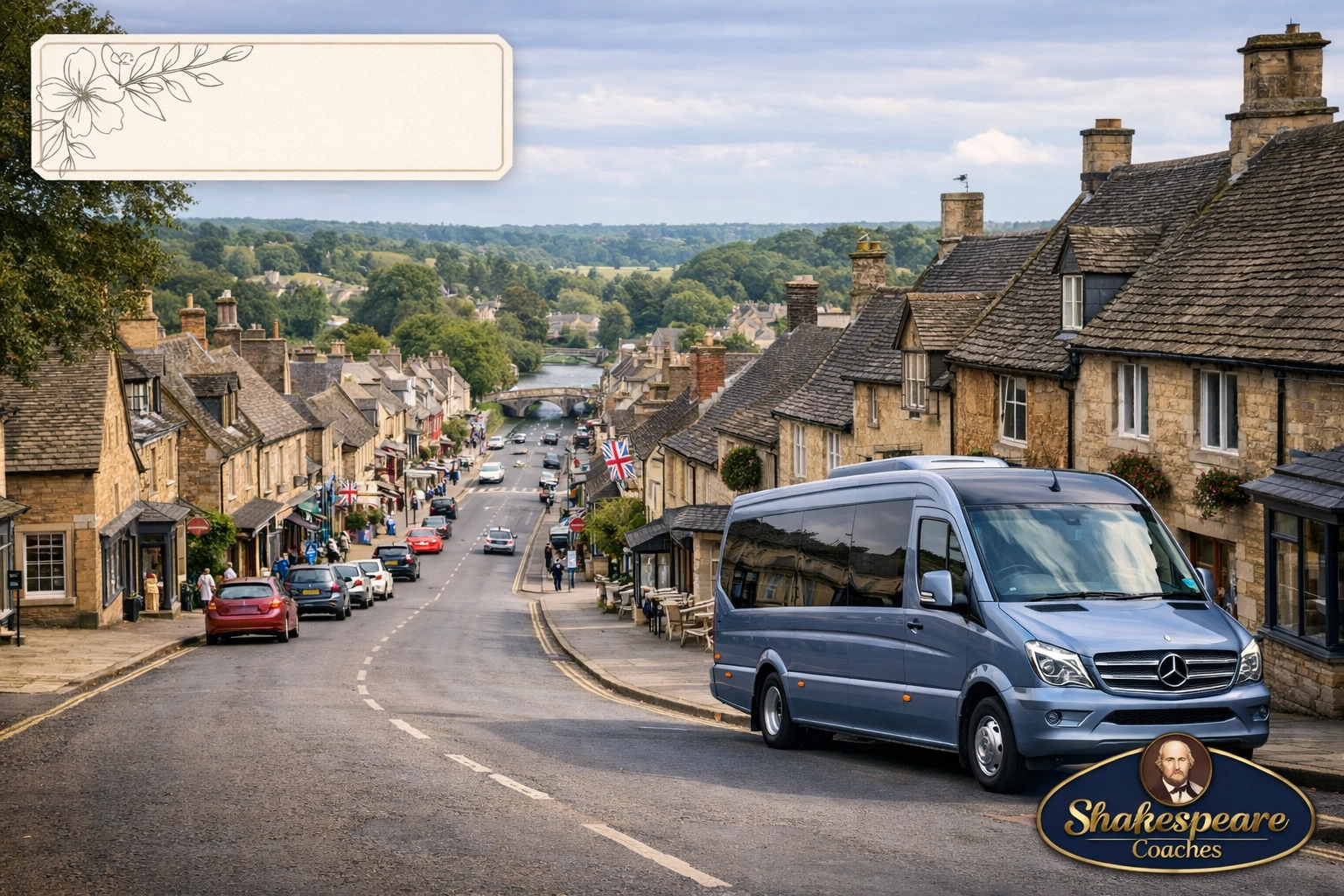
When people talk about Burford, they are usually talking about "The Hill."
As you enter from the top of the town, the High Street sweeps dramatically downhill toward the River Windrush. On either side, you’re flanked by a seamless row of ancient buildings: limestone, timber-framed, and topped with those classic grey Cotswold roof tiles.
It is arguably one of the most photographed streets in England. But it’s more than just a pretty face. This layout is a direct window into Burford’s past as a wealthy wool town. Back in the 14th to 17th centuries, this was a powerhouse of trade. The merchants who built these houses weren't just looking for a place to live; they were showing off.
Pro Tip for the High Street
Don’t just walk down the main road. The "burgage plots": the long, narrow strips of land behind the shops: often hide secret courtyards and tiny alleyways. Take a left or right into the side streets to find the quieter, residential side of Burford that most tourists miss.
The Ancient Bridge and the River Windrush
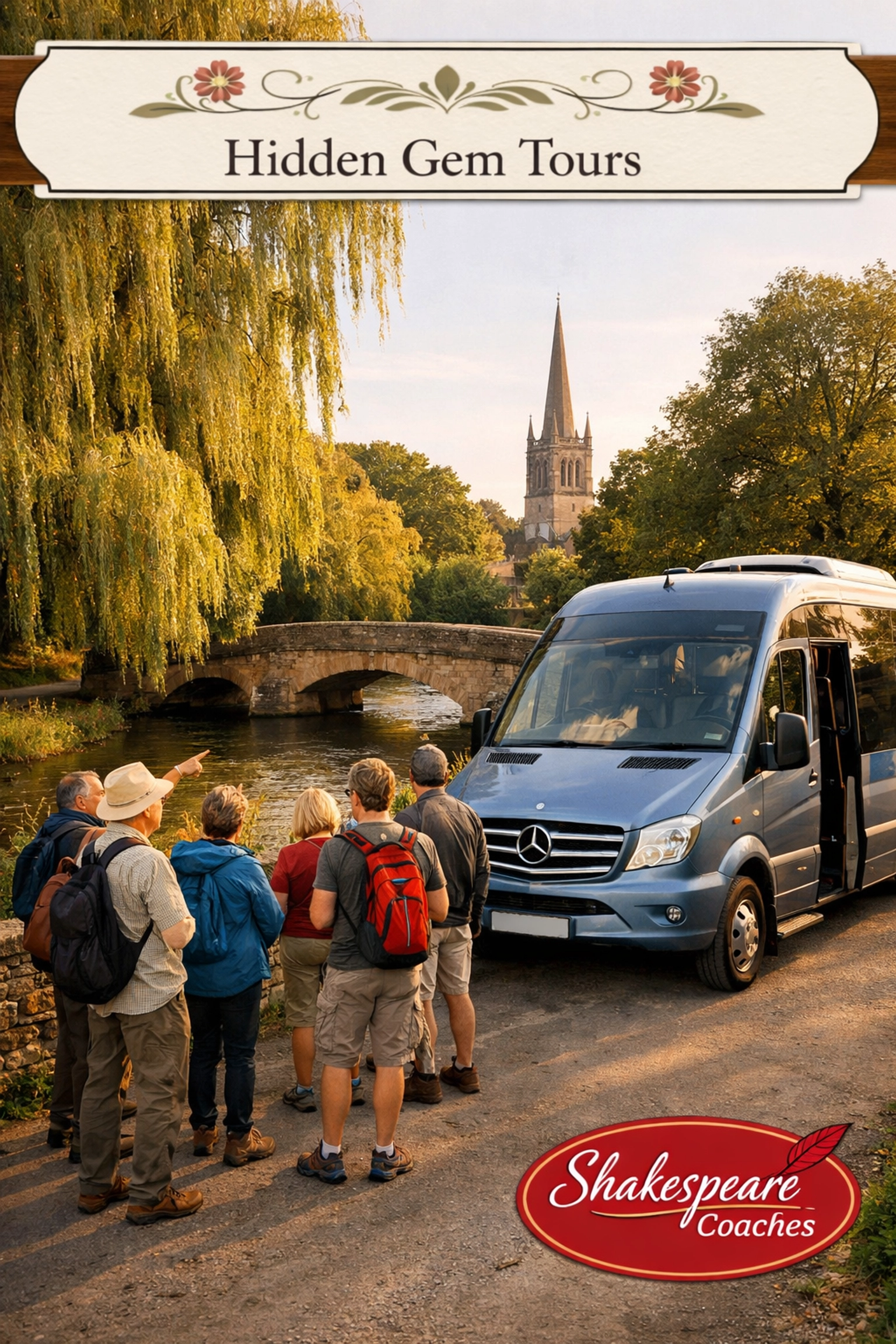
At the bottom of the hill sits the medieval three-arched stone bridge. This is the spot where the town gets its name: "Bur" (from burgh, meaning a fortified hill town) and "ford" (a crossing over the water).
Standing on the bridge and looking back up the hill gives you the best perspective of the town’s scale. It’s also a great spot to catch your breath before the walk back up! The River Windrush flows gently here, eventually making its way to join the Thames. It’s the perfect place for a quick photo before heading into the deeper history of the town.
A Church with a Dark Secret: St John the Baptist
You can’t visit Burford without visiting the Church of St John the Baptist. It’s a "Wool Church," meaning it was largely funded by the immense wealth of the local medieval wool merchants. It is grand, sprawling, and filled with incredible memorials.
However, it also holds a somber piece of English history. During the English Civil War in 1649, a group of mutineers known as the "Levellers" (who wanted more democratic rights) were imprisoned inside the church by Oliver Cromwell’s forces.
If you look closely at the lead font inside the church, you can still see the name "Anthony Sedley 1649" scratched into the metal by one of the prisoners. Outside in the churchyard, three of the ringleaders were eventually executed against the wall. It’s a stark reminder that these quiet, beautiful villages have witnessed some of the most turbulent moments in British history.
Shopping: Antiques and "The Oldest Pharmacy"
Burford isn't just a museum; it’s a living town with some of the best independent shopping in the region.
- Antiques: Burford is a magnet for collectors. You’ll find high-end shops tucked away in old coaching inns, selling everything from 18th-century furniture to rare clocks.
- The Burford Pharmacy: Established in 1734, it claims to be the oldest pharmacy in England. Even if you don't need a plaster, it's worth a peek for the historic atmosphere.
- Huffkins: You’ll see this name a lot in the Cotswolds, but the Burford branch is a classic. Their Lardy Cakes are legendary: perfect fuel for a day of exploring.
Why Visit with Shakespeare Coaches?
Most people try to tackle the Cotswolds by renting a car and stressing over narrow lanes, or by joining a massive 50-seater coach that can only stop in the biggest, most crowded parking lots.
We do things differently.
When you book one of our group tours, you’re traveling in a premium mini-coach. Here’s why that matters for Burford:
- Stress-Free Access: We drop you right where the action is.
- The "Local" Knowledge: Our drivers know the stories: like the Civil War mutiny: that aren't on the standard plaques.
- Small Groups (Max 16): You’ll actually get to know your guide and your fellow travelers. It feels like a road trip with friends, not a school excursion.
- London Connections: We specialize in bringing people out from the city to see the real England. Check out our London to Stratford and Cotswolds options to see how Burford fits into the perfect day trip.
The Burford "No-Nonsense" Checklist
If you only have 45 minutes in town, here is your hit list:
- Walk from the top of the High Street to the Bridge.
- Find the "Leveller" carvings in the Church of St John the Baptist.
- Grab a coffee or a snack at a local deli (avoid the chains!).
- Peek into at least one antique shop.
- Take a photo of the almshouses on Church Lane.
Ready to see Burford for yourself?
Don't just read about it: experience the honey-stone magic with us. Check out our Cotswolds Tour in a Day and let Shakespeare Coaches show you the "Gateway" properly.
See you on the coach!
Explore More Destinations
- Woodstock
- Northleach
- Great Tew
- Naunton
- Minster Lovell
- Moreton-in-Marsh
- Malmesbury
- Blockley
- Stanton
- Lacock
- Cirencester
- Winchcombe
- Painswick
- Tetbury
- Upper Slaughter
- Broadway
- Lower Slaughter
- Castle Combe
- Bibury
- Burford
- Bourton-on-the-Water
- Stow-on-the-Wold
- Snowshill
- Chipping Campden
- Stratford-upon-Avon