


If you’re looking for the Cotswolds you see on postcards: the ones without the tour buses, gift shops, and crowds of people wielding selfie sticks: you’ve found it. Upper Slaughter is the quiet, sophisticated sibling to the more famous (and often crowded) Lower Slaughter. It is a place where time doesn't just slow down; it feels like it stopped entirely about two hundred years ago.
At Shakespeare Coaches, we’ve been driving these narrow lanes for years. We know that while everyone else is fighting for a parking spot in Bourton-on-the-Water, the real magic is found here, on the banks of the River Eye. This is our no-nonsense Upper Slaughter guide to making the most of your visit.
What Makes Upper Slaughter Different?
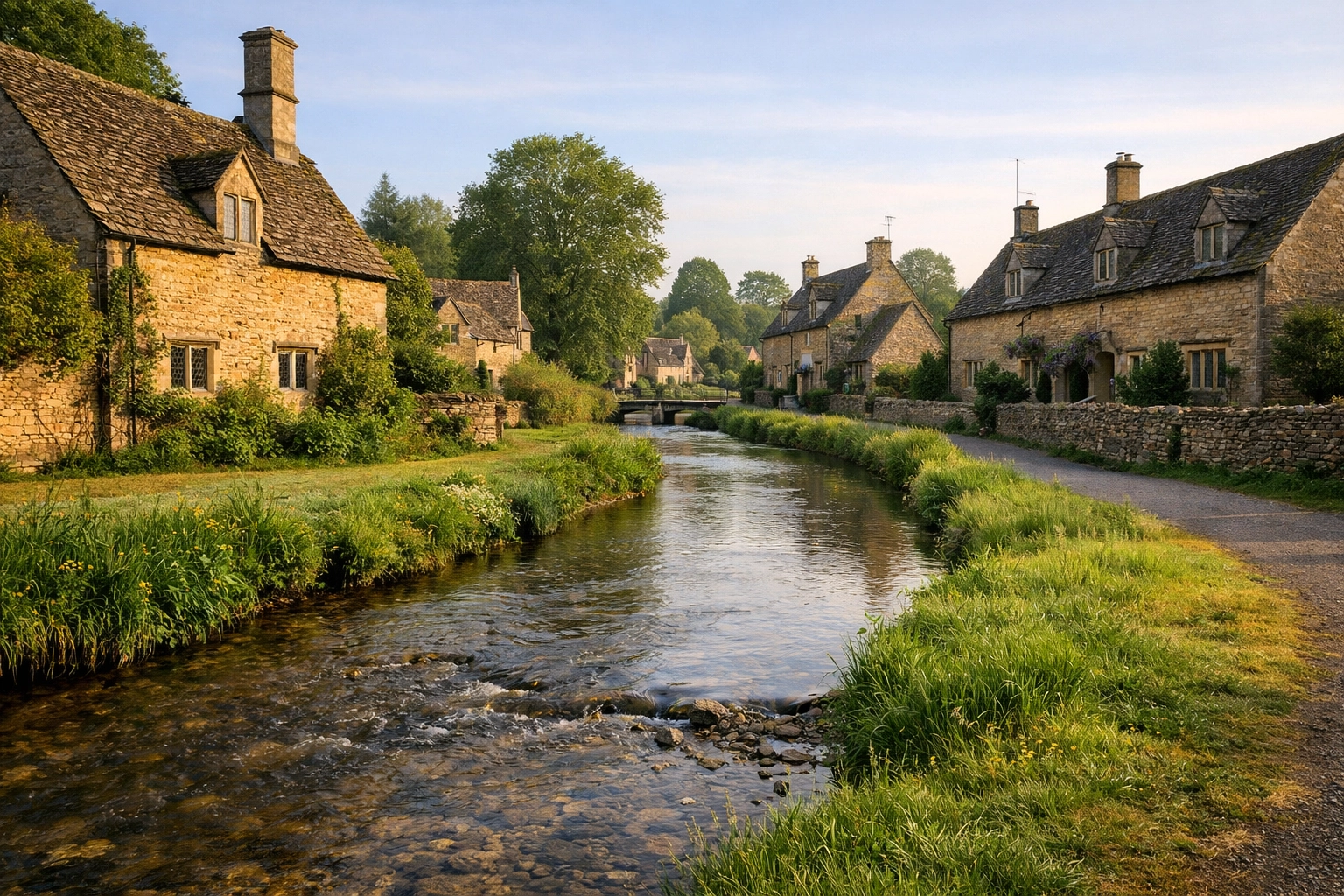
First things first: let’s clear up the name. "Slaughter" sounds a bit grim for such a beautiful place, doesn't it? Don't worry, there’s no dark history here. The name actually comes from the Old English word ‘slothre’, which simply means a "muddy place" or "wetland." Given that the River Eye winds its way through the village, it’s a fairly literal description of the geography, though today it’s more "manicured lawn" than "muddy marsh."
Unlike many other villages in the area, Upper Slaughter has no shops and no pubs. This is exactly why it remains so peaceful. It’s a residential village that has resisted the commercial pull of tourism, making it the perfect stop for those who want an authentic Cotswolds Tour experience.
The "Doubly Thankful" Village
One of the most remarkable things about Upper Slaughter is its status as a "Doubly Thankful" village. To understand why this is a big deal, you have to look at British history.
A "Thankful Village" is one that lost no men during World War I. Out of the thousands of villages in England and Wales, only 53 can claim this. A "Doubly Thankful" village is even rarer: it lost no one in either World War I or World War II. Upper Slaughter is one of only 14 villages in the entire country to hold this title.
The village’s luck is legendary. During a Luftwaffe bombing raid in February 1944, over 2,000 incendiary bombs were dropped on the village. Houses were set on fire, and a barn was destroyed, yet remarkably, not a single person was killed or even seriously injured. When you walk through the quiet square today, you are walking through a place that has been uniquely touched by good fortune.
The Heart of the Village: The Ford and the River Eye
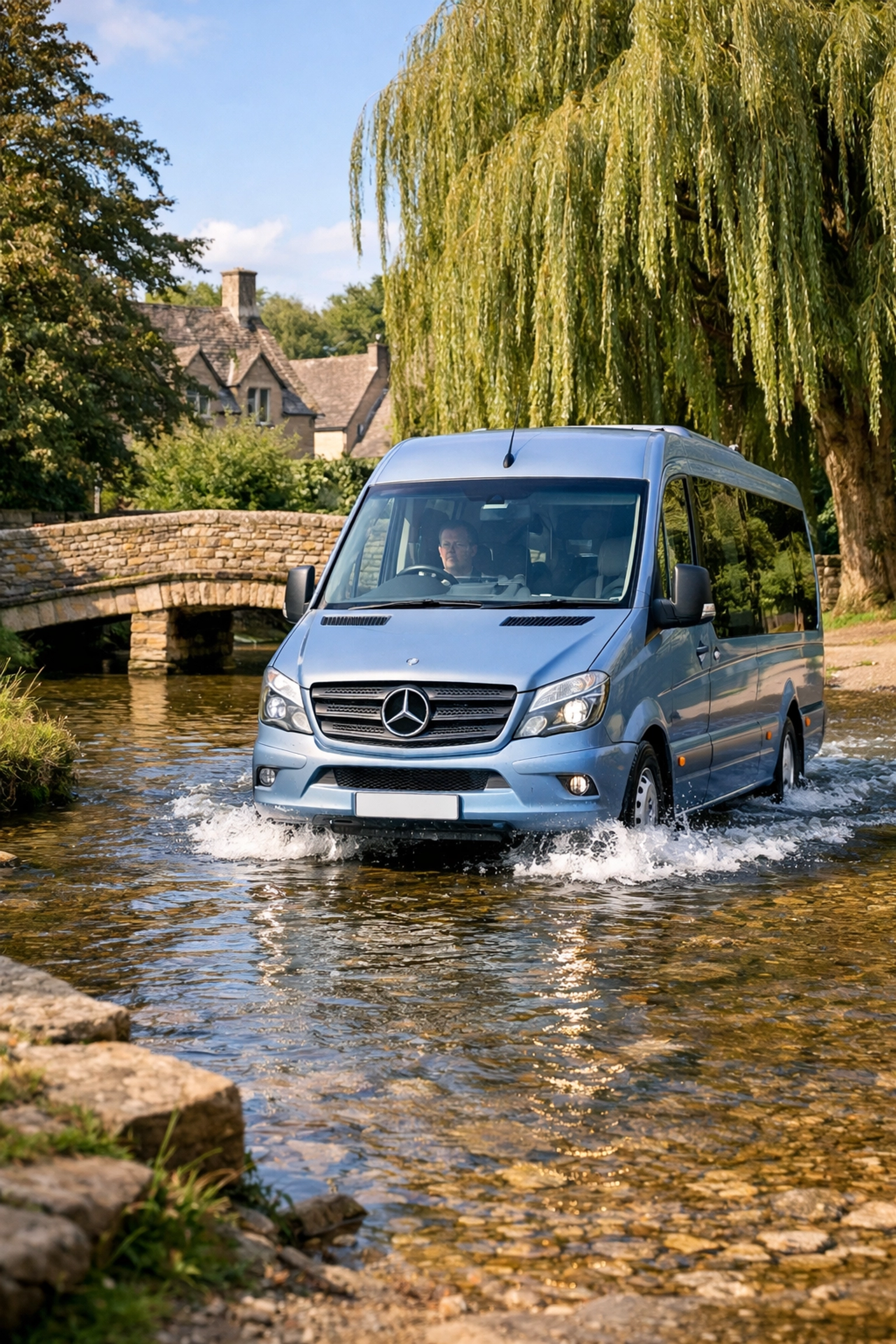
The visual centerpiece of Upper Slaughter is the ford. While many Cotswold villages have bridges, Upper Slaughter keeps it old-school. The River Eye crosses the road, and seeing a car (or a Shakespeare Coaches minibus) splash through the shallow water is one of those classic English country scenes.
For photographers, this is the spot. The golden Cotswold stone cottages reflect in the clear water, and the surrounding grassy banks are perfect for a quick stroll. If you’re feeling active, there is a stunning one-mile public footpath that connects Upper Slaughter to Lower Slaughter. It’s a flat, easy walk through open fields that follows the river, and it’s arguably the best short walk in the entire region.
Quiet Luxury: Lords of the Manor
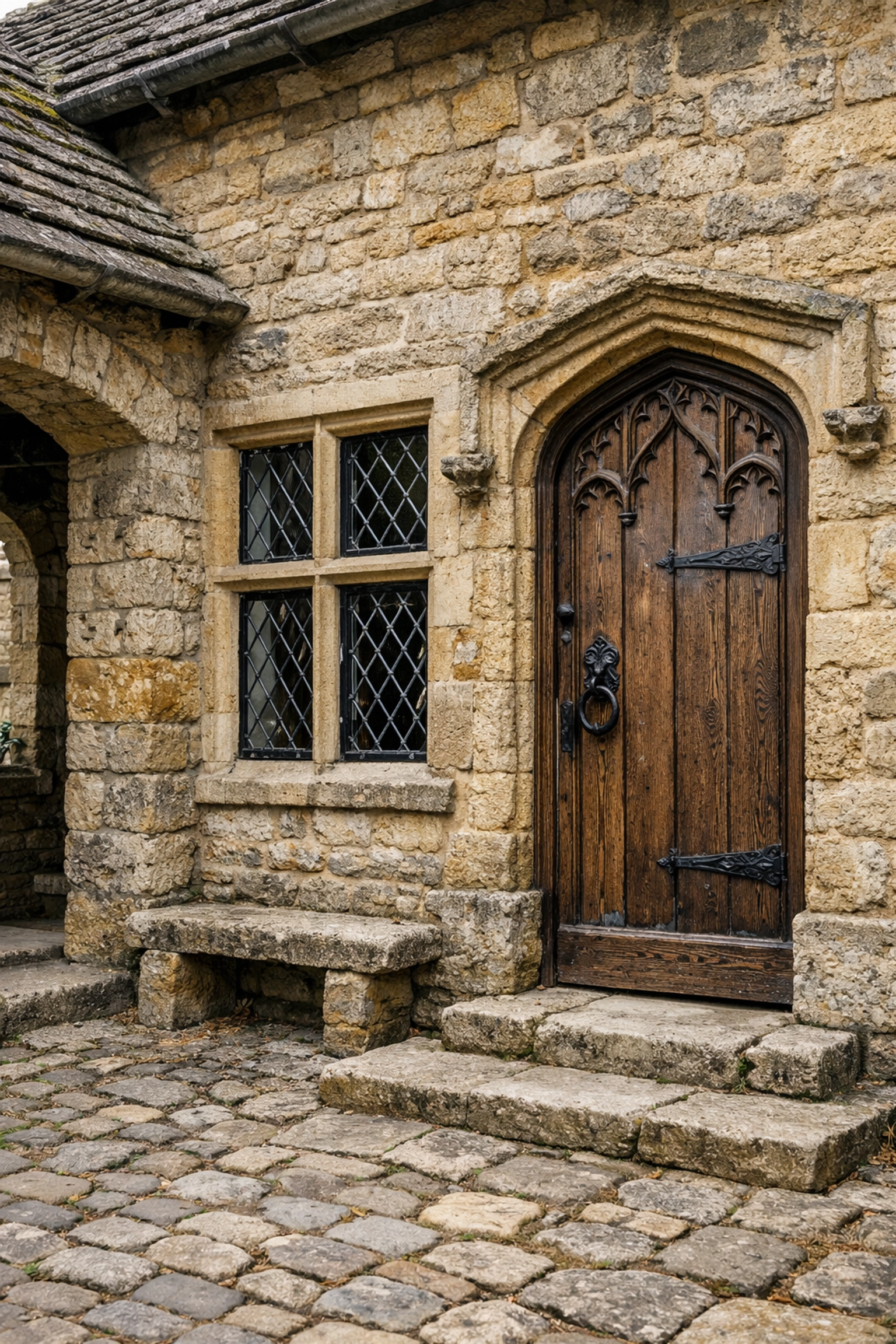
If Upper Slaughter has a "main attraction," it’s the Lords of the Manor. This isn't just a hotel; it’s a landmark. Originally built as a rectory in 1649, it eventually became the private home of the Witts family before being converted into one of the UK’s finest country house hotels.
If you aren't staying the night, we highly recommend stopping in for afternoon tea or a meal at their Michelin-starred restaurant. It’s the definition of "quiet luxury." The gardens are immaculate, the service is impeccable, and it provides a level of refinement that perfectly matches the village’s atmosphere. It’s a far cry from the bustling tea rooms you’ll find in the larger towns.
Architecture and History: What to Look For
Even though it’s small, there are a few "must-sees" for your Upper Slaughter guide checklist:
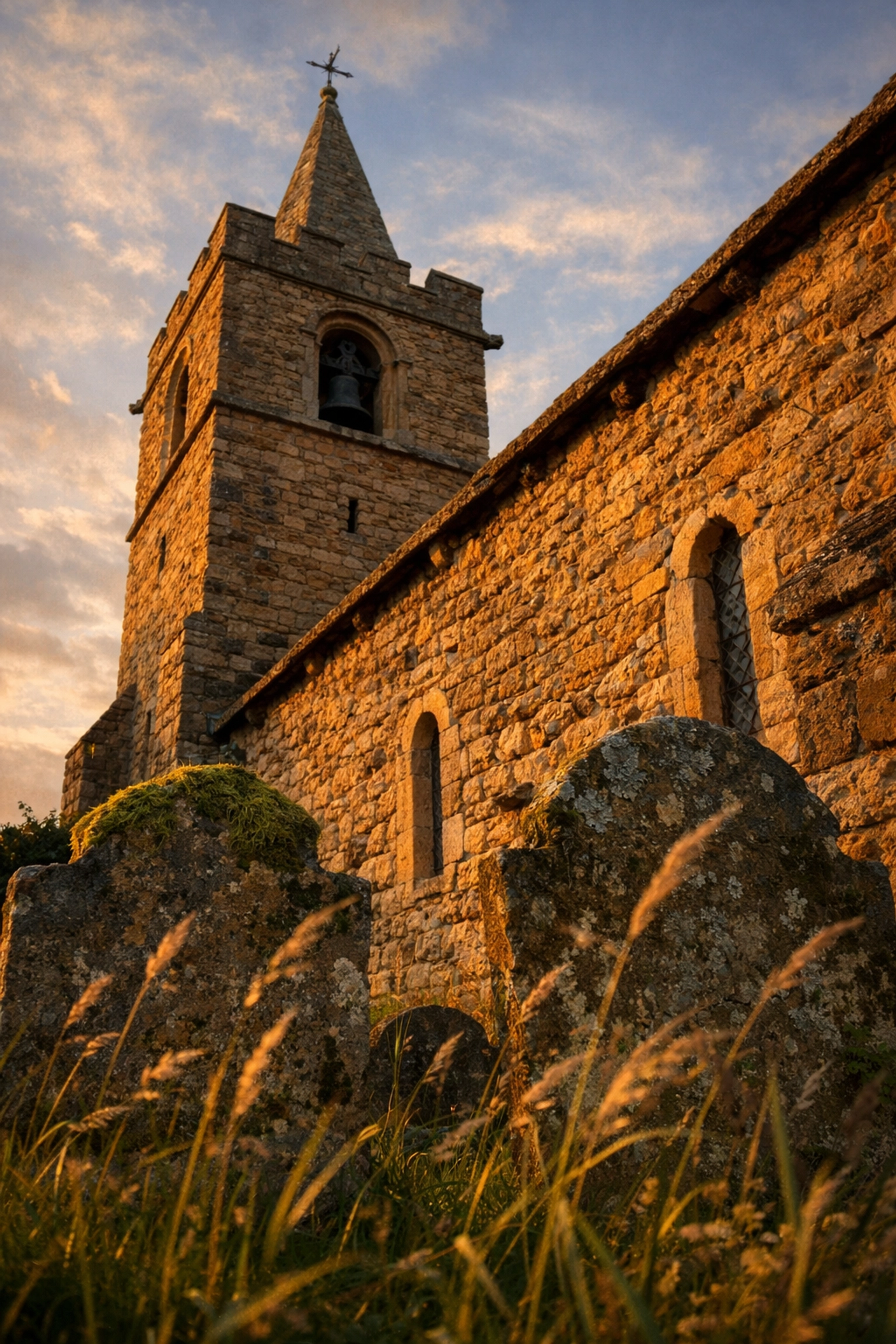
- St. Peter’s Church: A beautiful building with roots going back to the Anglo-Saxon period. Look for the 14th-century carvings and listen for the bell named "Eleanor," cast in honor of the wife of King Edward I.
- The Square: Surrounded by almshouses that were reconstructed in 1906 by the famous architect Sir Edwin Lutyens. He managed to modernize the structures while keeping that classic, medieval Cotswold aesthetic.
- The Castle Mound: Located on the north edge of the village, this is the site of a 12th-century Norman "adulterine" castle. "Adulterine" means it was built without royal permission during a period of civil war. Today, it’s a grassy mound, but it offers a great vantage point over the village.
- Upper Slaughter Manor: A private manor house dating back to the 15th century. It’s only open to the public for a few weeks in the summer, so if you’re visiting in July or August, check the dates: it’s a rare treat to see inside.
How to Get There (The Shakespeare Coaches Way)
Upper Slaughter is notoriously difficult to reach if you’re relying on public transport. The lanes are narrow, and parking is extremely limited: which, again, is why it stays so quiet.
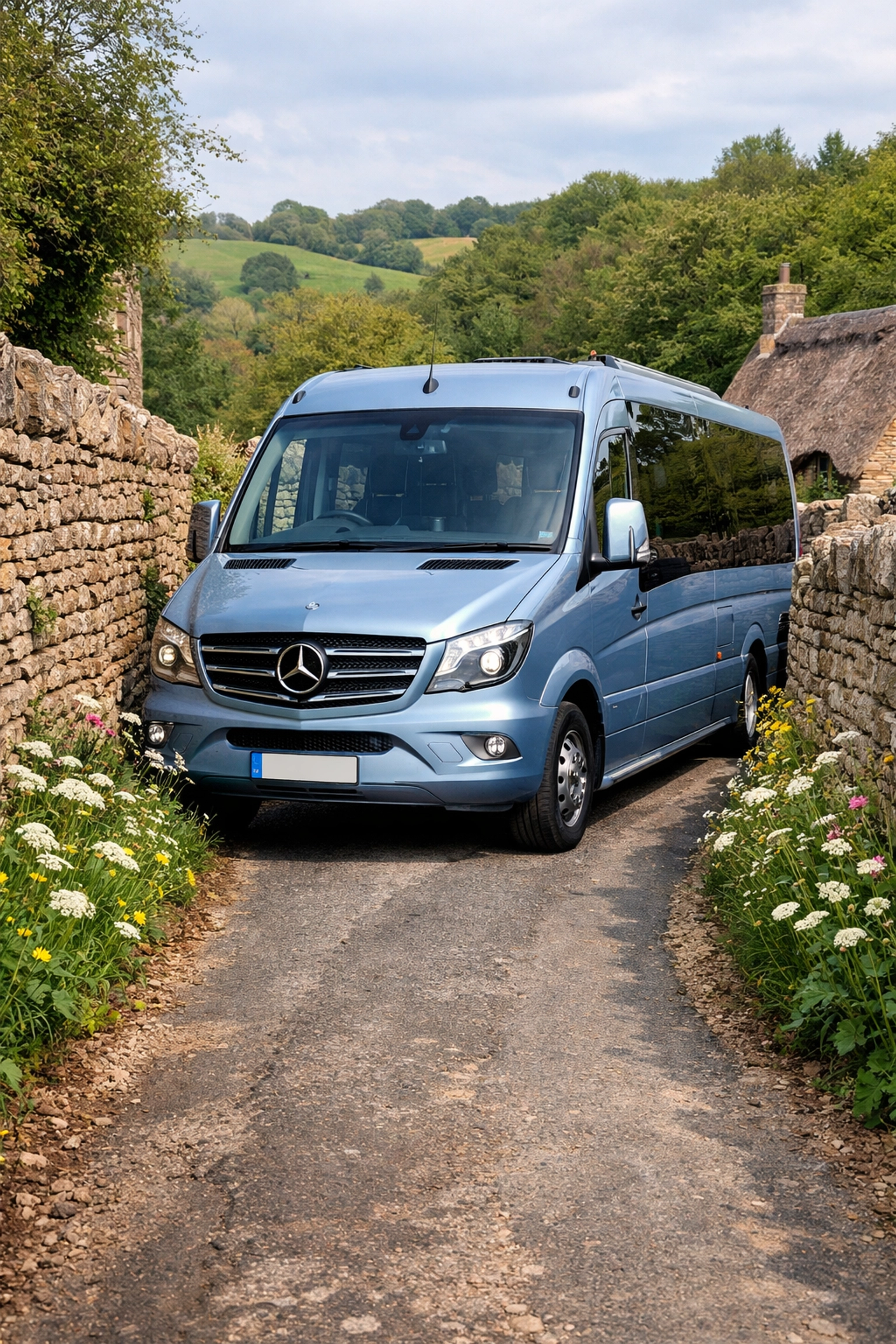
This is where we come in. At Shakespeare Coaches, we specialize in small-group travel. Our maximum group size is 16 people, which means we can use smaller, more agile vehicles that easily navigate the "hollow ways" and narrow bridges of the Slaughters.
Whether you are looking for a London to Stratford-upon-Avon day trip that includes a Cotswold loop, or a dedicated private Cotswolds tour, we make sure you get the "insider" experience. Our drivers aren't just steering the wheel; they’re storytellers who know the history of the Doubly Thankful villages and the best spots for a photo by the ford.
Why a Small Group Matters
Large tour buses simply cannot get into the heart of Upper Slaughter. They often have to park far away, or they skip the village entirely in favor of the larger, bus-friendly towns. By choosing a group tour with a smaller footprint, you get to see the parts of England that remain untouched by mass tourism.
We focus on a "no-nonsense" approach:
- Pick-ups: Convenient locations in London and Stratford.
- Comfort: Modern, air-conditioned vehicles.
- Pace: We don't rush you. If you want an extra ten minutes to watch the ducks at the ford, you've got it.
Final Thoughts
Upper Slaughter isn't a place you go to "do things." You go there to be. It’s about the sound of the River Eye, the glow of the limestone at sunset, and the incredible peace of a village that has survived centuries without losing its soul.
Ready to see it for yourself? Book a seat on our Cotswolds Tour and let us show you the quiet side of England.
The Cotswolds Mega-Guide Series: Top 25 Villages
We are ranking the top 25 Cotswold destinations to help you plan your perfect trip. Follow the links below to explore each one:
- Bourton-on-the-Water – The Venice of the Cotswolds.
- Castle Combe – The prettiest village in England.
- Bibury – Home to the iconic Arlington Row.
- Stow-on-the-Wold – The historic hilltop market town.
- Chipping Campden – The jewel of the northern Cotswolds.
- Lower Slaughter – Architecture, mills, and riverside charm.
- Upper Slaughter – (You are here) The peaceful, Doubly Thankful retreat.
- Broadway – The gateway to the Cotswolds and its famous tower.
- Snowshill – Hidden away with incredible views and lavender fields.
- Burford – The gateway town with a famous sloping high street.
- Painswick – The "Queen of the Cotswolds" with its 99 yew trees.
- Malmesbury – Famous for its ancient Abbey and gardens.
- Cirencester – The capital of the Cotswolds with Roman roots.
- The Ampneys – A cluster of ancient, quiet charm.
- Mickleton – The northernmost village, famous for the Pudding Club.
- Winchcombe – Walkers' paradise and home to Sudeley Castle.
- Tetbury – Renowned for antiques and royal connections.
- Lacock – A film-favorite village stuck in time.
- Naunton – A peaceful village following the River Windrush.
- Guiting Power – A classic, working Cotswold village.
- Blockley – A former silk mill hub with unique character.
- Kingham – A foodie destination with a high-end feel.
- Great Tew – Thatch-roofed perfection in Oxfordshire.
- Stanton – Often cited as one of the most unspoilt villages.
- Bampton – Famous as the filming location for "Downton Abbey."