

Here's the thing about Kent: everyone thinks they know it. They've got this image burned into their heads: apple orchards in neat rows, hop gardens swaying in some perpetual golden hour, maybe a few oast houses for good measure. The "Garden of England." It's on the tea towels. It's in the brochures. It's the version of Kent that exists primarily to sell jam.
And it's not wrong, exactly. It's just incomplete. Dangerously so.
Because the Kent Downs: this ancient spine of chalk that runs through the county like a geological middle finger: tells a different story entirely. One that involves pilgrims and smugglers, ancient trackways worn into the earth by thousands of years of human feet, and villages that time hasn't forgotten so much as deliberately ignored.
The "Garden of England" moniker? Kent actually lost that title to Yorkshire back in 2006. Four hundred years of branding, gone. But nobody updated the postcards.
The Chalk Beneath Your Feet
The North Downs Way runs for 153 miles from Farnham to Dover, and most of it cuts through Kent. This isn't gentle countryside. This is land that was old when the Romans arrived, when they looked at these white cliffs and chalk ridges and thought: we can work with this.
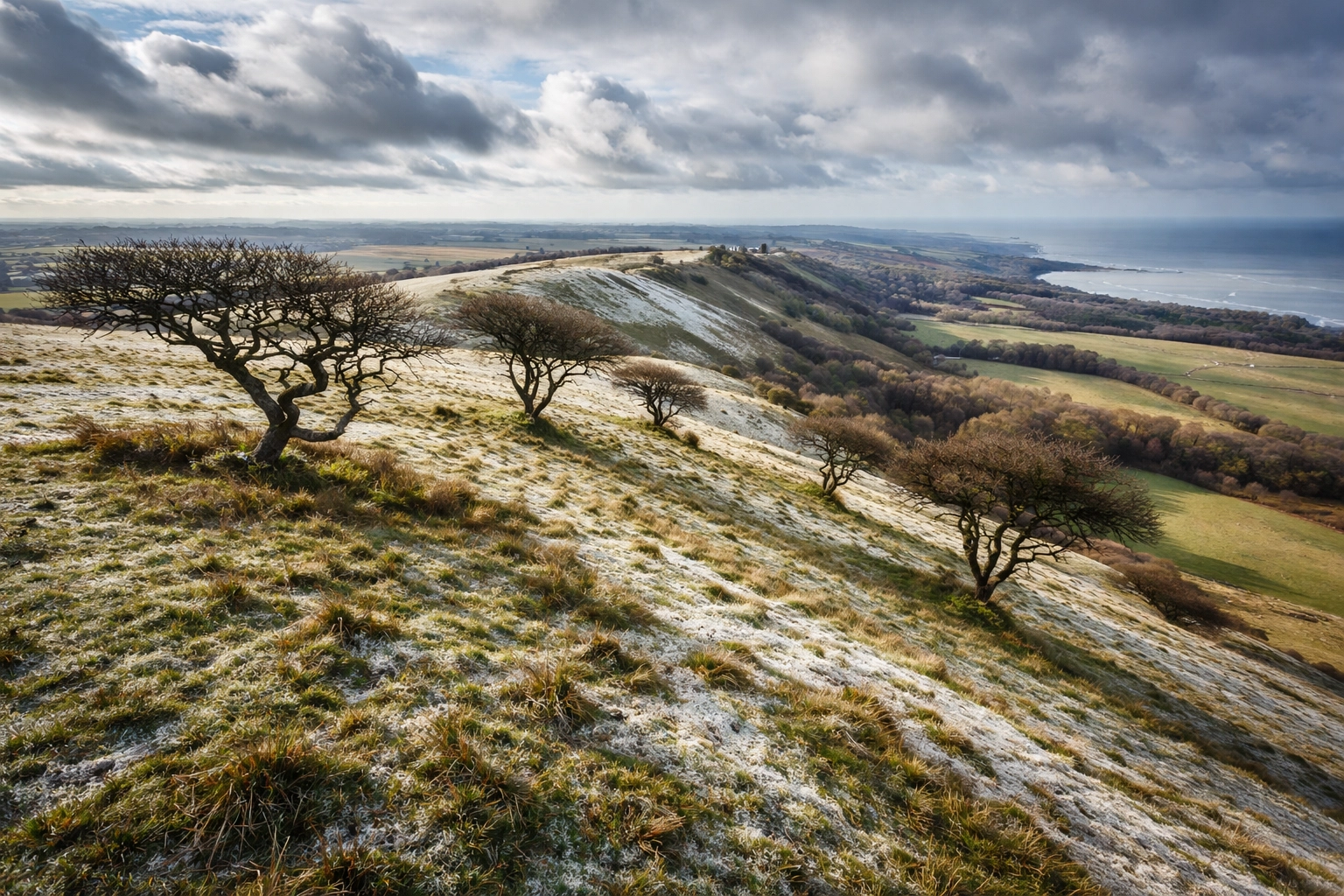
Walk the ridgeline above Wye and you'll feel it: the wind coming off the Channel, the grass cropped short by sheep that have been grazing these hills since before anyone thought to write it down. The soil here is thin, unforgiving. Nothing lush about it. The trees are wind-bent, stunted. The views stretch forever, but they're not pretty in any conventional sense. They're honest.
This is the Kent that predates the orchards. Before anyone thought to cultivate it, this was wild chalk downland: the kind of landscape that shapes people rather than the other way around.
The Pilgrims' Road (And What It Actually Cost)
Everyone knows Canterbury. Chaucer saw to that. But the pilgrimage route from London to Thomas Becket's shrine wasn't some medieval package tour. It was hard miles on harder roads, through forests thick with outlaws, across chalk ridges that offered no shelter from the weather.
The old Pilgrims' Way still exists, running along the base of the North Downs escarpment. You can walk it today, though most people don't. They drive straight to Canterbury, tick the cathedral off the list, and leave.
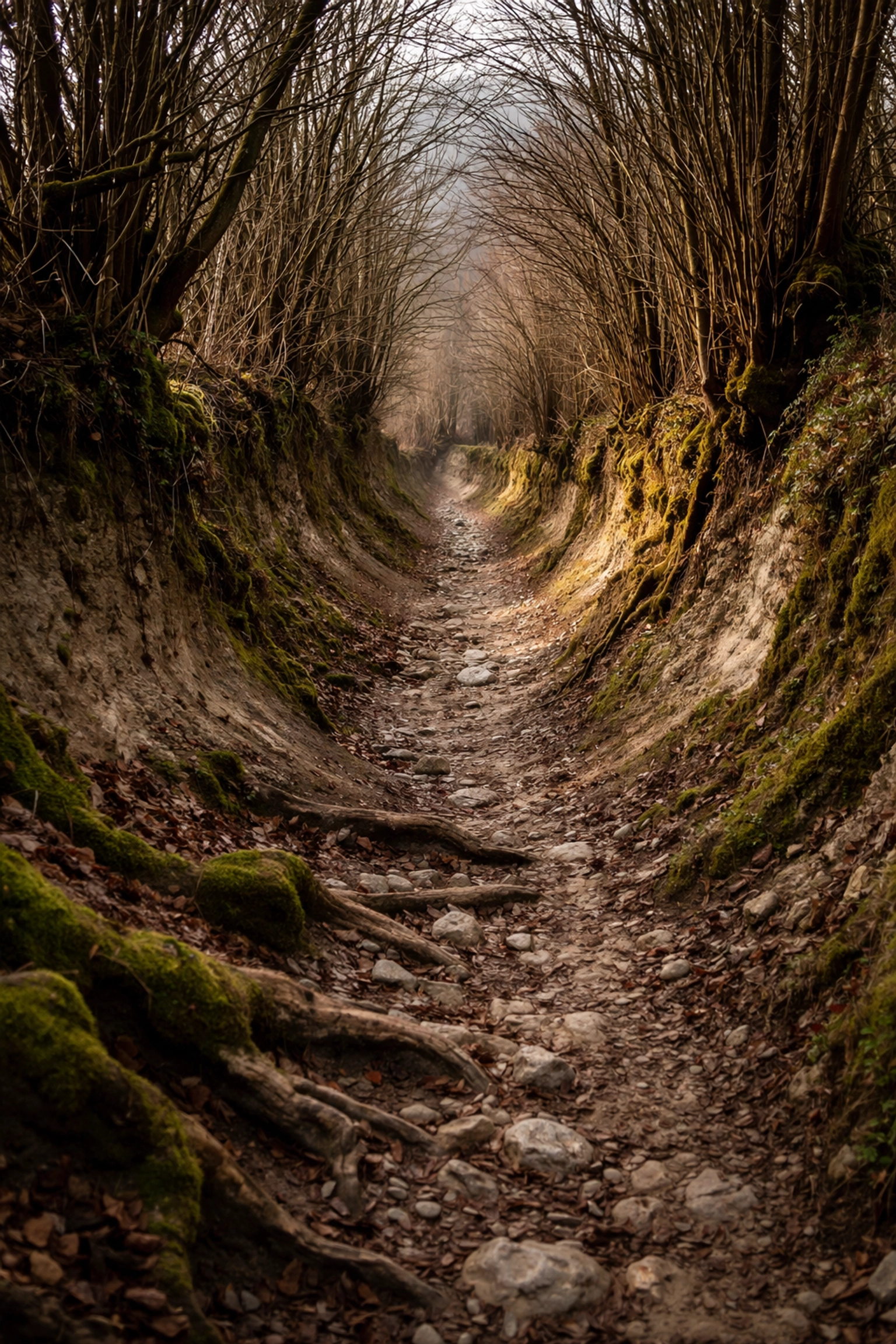
But out here, on the ancient trackway, you start to understand something. The pilgrims weren't tourists. They were desperate: seeking cures, forgiveness, meaning. They walked because they had to. Some of them died on the road. The inns that sprung up along the route weren't charming: they were survival infrastructure.
Stand in the ruins of a wayside chapel near Chilham and you can almost hear it: the shuffle of tired feet, the murmured prayers, the transaction between suffering and hope that defined medieval faith.
Smugglers, Wool, and the Economy of Shadows
Kent's position: that sliver of England closest to France: made it valuable. But valuable to whom? The official economy said wool and agriculture. The unofficial economy said something else entirely.
The Romney Marsh, technically south of the Downs but spiritually connected, was smuggler country for centuries. French brandy, tea, silk: anything with a heavy import duty became fair game. The "Owlers" ran wool out; the "Free Traders" ran contraband in. The chalk caves and hidden coves of the Kent coast weren't scenic features. They were infrastructure.
Villages like Alkham and Elham, tucked into the folds of the Downs, were complicit in ways that polite history tends to gloss over. The church at Brookland on Romney Marsh has a detached bell tower: legend says the tower jumped off in shock when a virgin got married there. More likely, it was built separate so smugglers could stash goods without disturbing Sunday services.
This is the Kent they don't put on the brochures.
The Hidden Corners
Forget the hop gardens. Here's where you actually go:
Wye National Nature Reserve sits above the village of Wye, and the chalk grassland here supports species that have been growing since the last ice age. Orchids in late spring. Butterflies that exist almost nowhere else. The Crown carved into the hillside celebrates Edward VII's coronation, but the land itself is older than any crown.
Chilham might be the most beautiful village in Kent, and almost nobody visits. Half-timbered houses ring a medieval square. The castle is private but the churchyard is open, and the view down the Stour Valley makes you understand why people fought over this land.
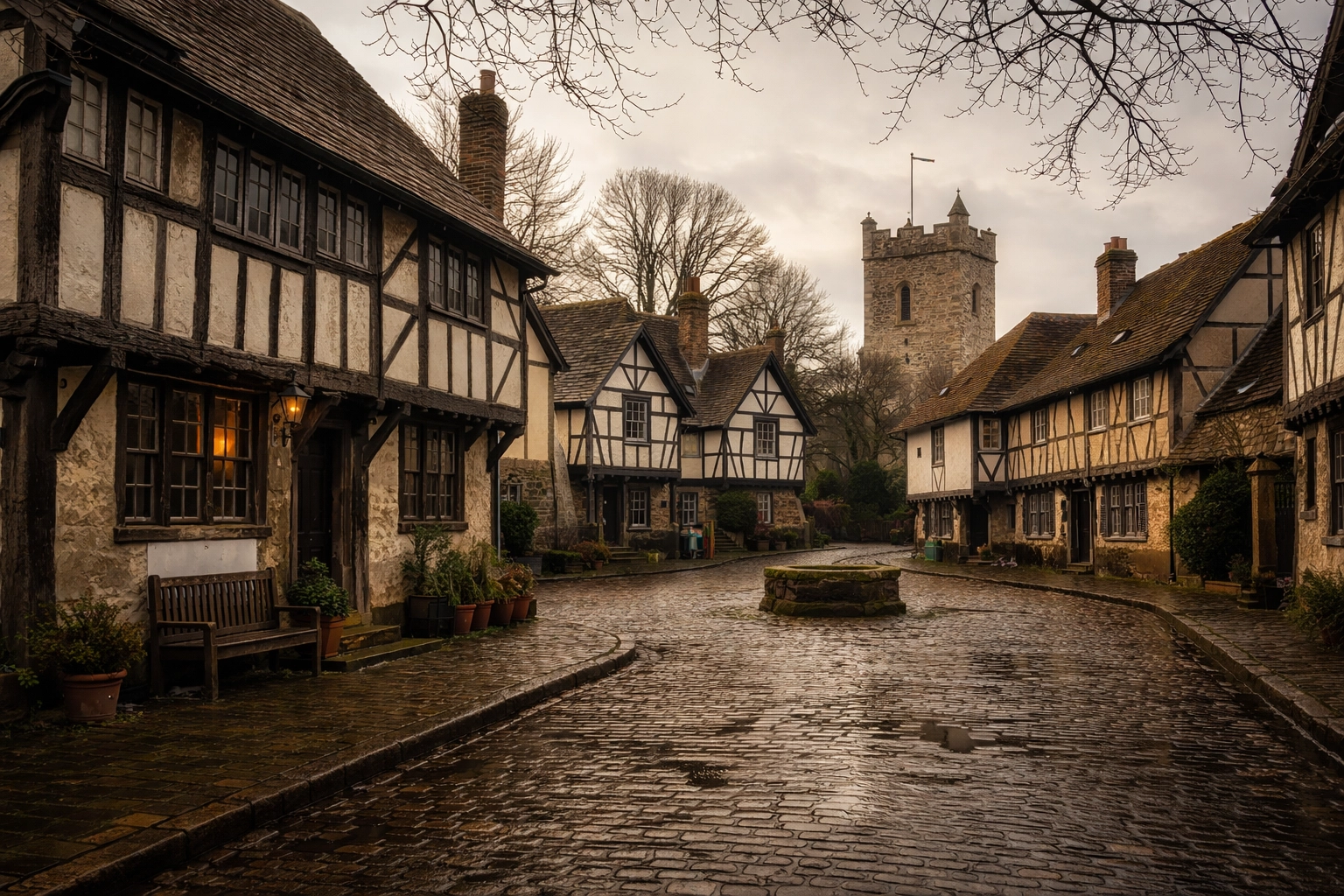
The Elham Valley runs through the Downs like a secret. No main roads. No coaches. Just a string of villages: Elham, Lyminge, Etchinghill: connected by lanes that haven't been widened since horses were the primary traffic concern. The Rose and Crown in Elham has been pouring pints since the 16th century. The fireplace is original. The welcome is genuine.
Dover's Western Heights gets overlooked because everyone's rushing to the castle or the ferry. But this massive fortification, built to defend against Napoleon, offers views across the Channel that put the white cliffs in proper context. On a clear day, you can see France. On most days, you can feel how close the threat always was.
What the Garden Grows
Here's where the "Garden of England" thing starts to make sense: not as marketing, but as reality. The Downs create microclimates. The chalk soil drains fast and warms quickly. Grapes grow here now, and have for longer than anyone admits.
Chapel Down near Tenterden produces English sparkling wine that beats Champagne in blind tastings. That's not patriotic exaggeration: it's documented fact. The vineyard tours are worth it, but better yet: find a pub in the Downs that stocks local wine and drink it with a ploughman's lunch made from cheese produced ten miles away.
The oysters at Whitstable, just north of the Downs, have been harvested since Roman times. The Romans actually exported them back to Italy. Think about that: two thousand years ago, someone decided these particular oysters, from this particular stretch of Kent coast, were worth shipping across an empire.
Getting There Without Losing Your Mind
Kent is close to London. Dangerously close. Close enough that people try to day-trip it, which usually means M20 traffic, motorway services, and arriving at Canterbury already exhausted.
The train from London to Canterbury takes about an hour. But once you're there, you're stuck. The villages, the hidden pubs, the chalk ridgelines: none of it is accessible without a car or a willingness to walk serious distances.
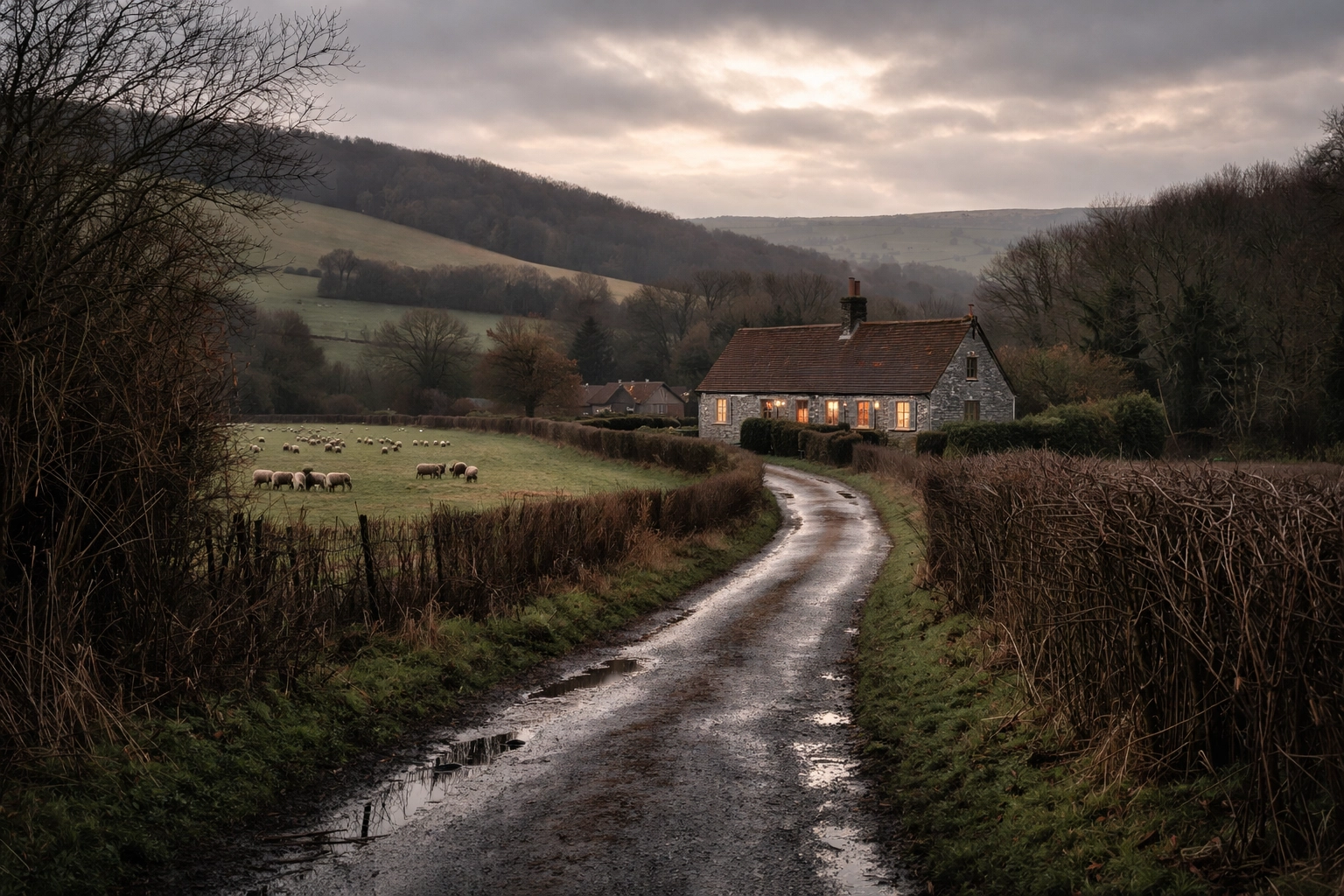
This is where small-group touring actually makes sense. Not because you can't do it yourself, but because navigating the single-track lanes of the Elham Valley while simultaneously trying to find that unmarked turning for the 12th-century church is a special kind of frustration. Someone who knows the roads: really knows them: changes everything.
A sixteen-seater coach fits down lanes that would swallow a full-sized bus. It means you can actually stop at Chilham, actually walk the Downs, actually end up in a pub that doesn't have a car park because it never needed one.
The Real Garden
Kent is changing. The 2025 protests against greenfield development tell you everything: locals fighting to preserve what's left of the agricultural land, worried that "Garden of England" will become "Concrete of England" within a generation.
So go now. Walk the chalk. Find the pubs that don't advertise. Stand on the Pilgrims' Way and think about what it meant to walk this road when walking was the only option.
The Kent Downs aren't pretty in the way the postcards suggest. They're better than that. They're real.
If you're looking to explore the quieter corners of England: the Cotswolds in winter, the ancient paths of the Downs, the places that reward patience over speed: get in touch. We know the roads.