

If you’re looking for the heart of the Cotswolds, you don’t go to a tiny village with one pub and a duck pond. You go to Cirencester. Known for centuries as the "Capital of the Cotswolds," this town is the perfect blend of Roman grit, medieval wealth, and modern English charm.
At Shakespeare Coaches, we’ve seen every corner of this region, and Cirencester remains a firm favourite for our small group tours. Why? Because it’s where the history of England is layered like a puff pastry. You can stand on a Roman road, look at a medieval "wool church," and then grab a flat white in a 21st-century independent cafe: all within a five-minute walk.
Here is everything you need to know about Cirencester in a no-nonsense format.
Why Cirencester is the "Capital"
Cirencester isn’t just a pretty face; it has the credentials to back up its title. During the Roman occupation, it was known as Corinium Dobunnorum. It wasn't just a small outpost; it was the second-largest city in Roman Britain, eclipsed only by London (Londinium).
When the Romans left, the town didn't just crumble. It reinvented itself during the Middle Ages as a powerhouse of the English wool trade. The riches from the local "Cotswold Lion" sheep built the massive architecture you see today. While other villages are "quaint," Cirencester is "grand."
The Roman Legacy: Walking Through Corinium
You can’t talk about Cirencester without talking about the Romans. Most of the town’s layout still follows the original Roman grid. If you are a history buff, this is your playground.
The Corinium Museum
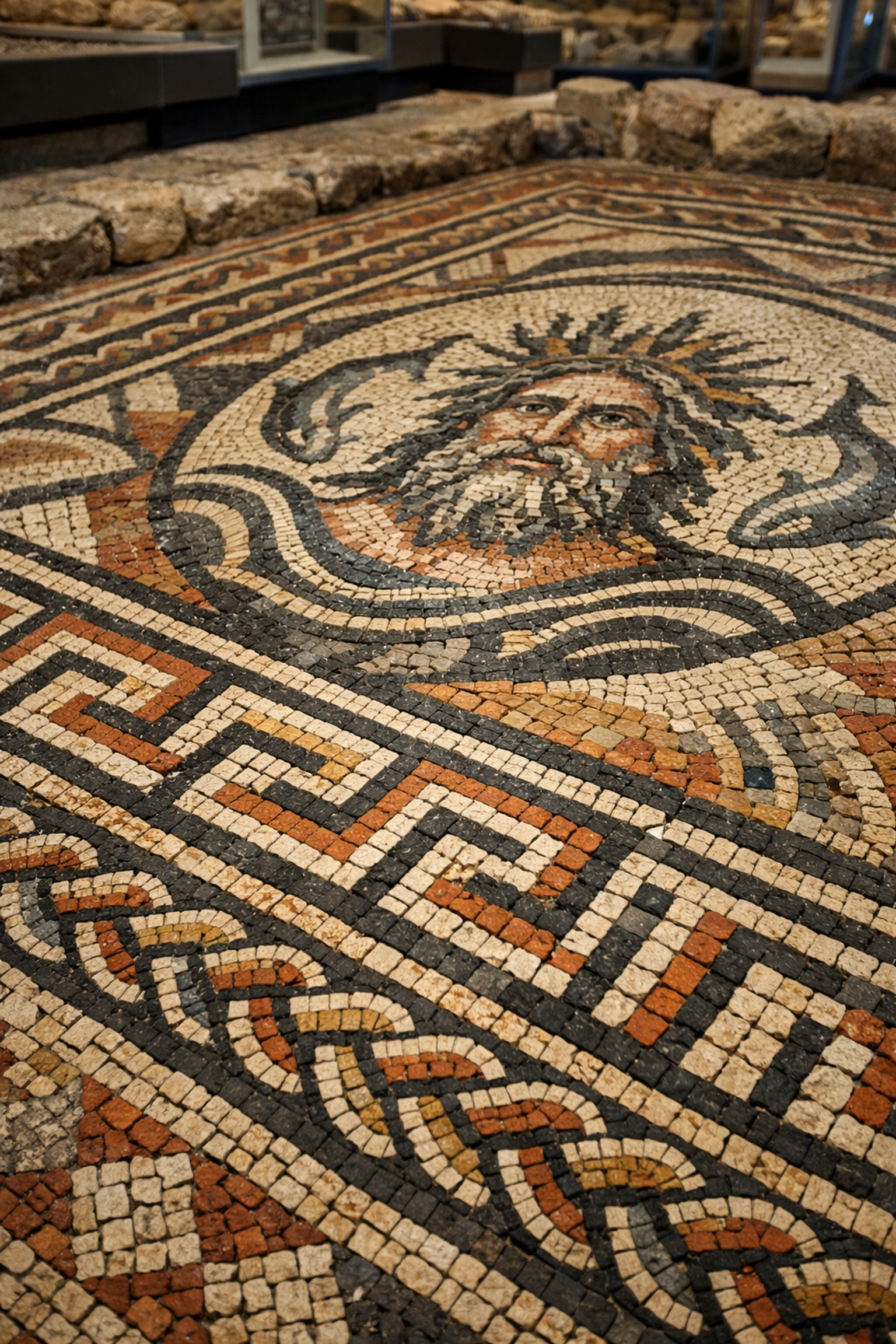
This isn't your average dusty local museum. The Corinium Museum is home to some of the finest Roman mosaics in the world. These aren’t just fragments; they are massive, intricate floors that tell stories of gods and monsters. It’s the best place to understand why this town was so vital to the Roman Empire.
The Roman Amphitheatre
Located on the edge of the town centre, the remains of the Roman Amphitheatre are a must-visit. While it looks like a series of massive earthworks today, in its prime, it held up to 8,000 spectators. It’s one of the best-preserved sites of its kind in the UK. It’s a great spot for a walk if you want to get away from the market crowds and imagine the roar of a Roman crowd.
The Medieval Masterpiece: St John Baptist Church
Dominating the Market Place is the Parish Church of St John Baptist. Calling it a "parish church" feels like an understatement: it’s the size of a cathedral. This is a classic "Wool Church," built with the immense profits generated by the medieval wool trade.
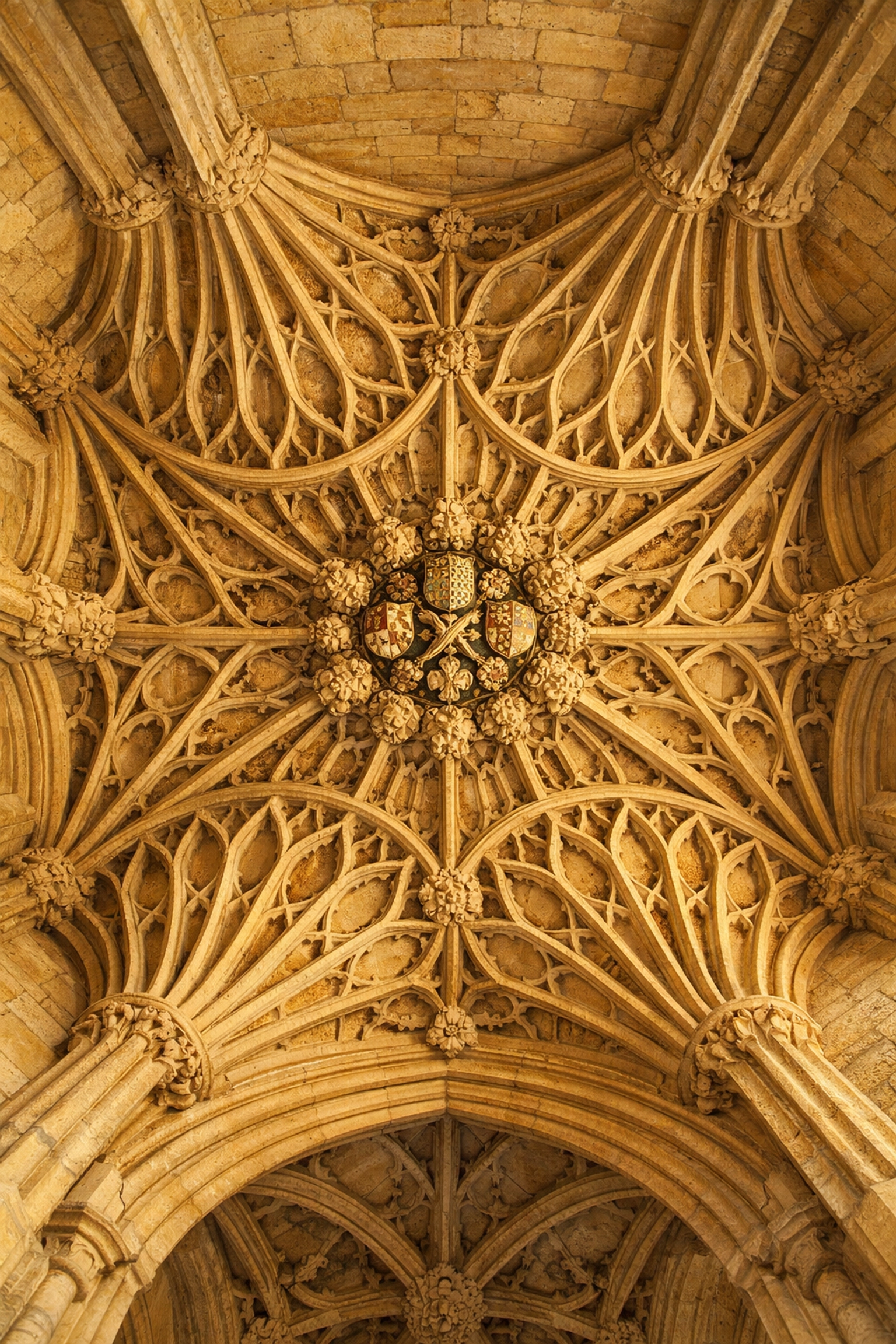
The fan-vaulted porch is a masterpiece of Perpendicular Gothic architecture. When you step inside, the sheer height of the nave and the light pouring through the medieval stained glass will give you a sense of just how wealthy this town was in the 1400s. It’s the literal and figurative centre of town life.
The Modern Vibe: Shopping and Markets
Cirencester has managed to avoid becoming a "museum town." It’s a living, breathing community. The Market Place is still the hub of activity, hosting regular charter markets and farmers' markets.
If you’re into independent shopping, head to Black Jack Street. It’s a narrow, winding lane filled with boutiques, antique shops, and local bakeries. It’s exactly what you want from a Cotswold shopping experience: unique items, friendly locals, and zero "big-box" corporate energy.
Cirencester Park: The Great Outdoors
Just a stone's throw from the church is the entrance to Cirencester Park, part of the Bathurst Estate. This is one of the most impressive privately owned parks in the country that remains open to the public.
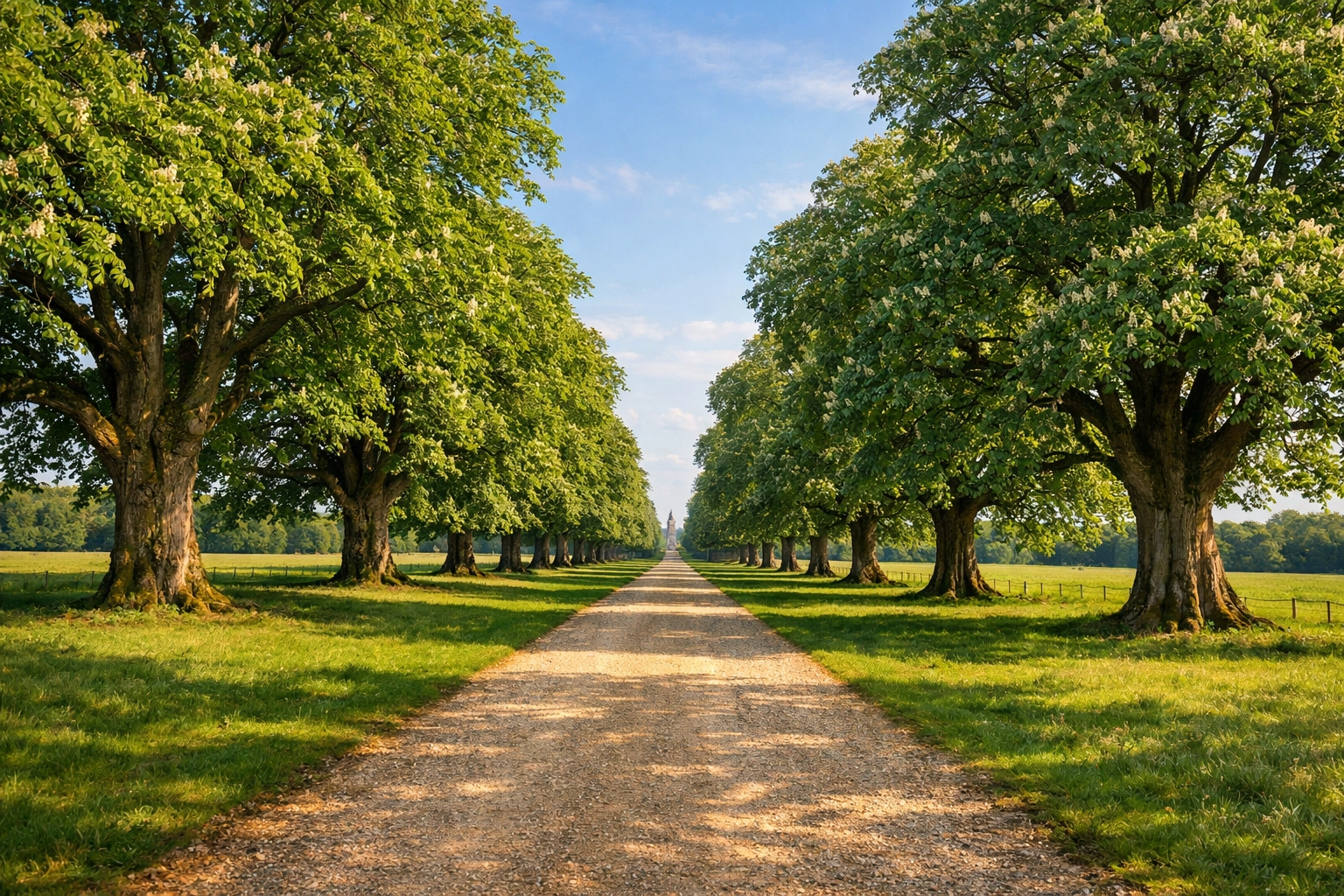
The main avenue, lined with towering horse chestnut trees, stretches for miles. It’s a favourite for locals walking their dogs or watching a weekend polo match. It adds a sense of aristocratic scale to the town that makes it feel distinct from the smaller villages nearby.
How to Visit Cirencester (The Shakespeare Coaches Way)
Getting to the Cotswolds from London can be a bit of a mission if you’re relying on trains and local buses. Cirencester is well-connected, but the real magic of the region lies in the gaps between the towns: the rolling hills and hidden valleys.
That’s where we come in. At Shakespeare Coaches, we specialise in Cotswolds Tours that take the stress out of the logistics.
The Small Group Advantage
We don’t believe in massive 50-seater buses. They can't navigate the narrow lanes, and they certainly don't feel "friendly." We cap our groups at 16 people. This means:
- Access: We can get into the heart of the villages where big buses are banned.
- Speed: Less time waiting for 50 people to use the bathroom, more time exploring.
- Comfort: Our luxury mini-coaches are built for the journey from London to the heart of the countryside.
If you want to see Cirencester and its neighbours without the hassle of driving on the "wrong" side of the road or navigating confusing train timetables, check out our Cotswolds Tour in a Day.
3-Minute Checklist for Your Visit
Short on time? Here is the "no-nonsense" hit list:
- See the Mosaics: Visit the Corinium Museum.
- Look Up: Admire the fan-vaulting in St John Baptist Church.
- Walk the Earth: Visit the Roman Amphitheatre for a dose of ancient history.
- Shop Local: Wander down Black Jack Street for souvenirs you’ll actually want to keep.
- Park Life: Take a stroll through the gates of Cirencester Park.
The Cotswolds Mega-Guide Series
Cirencester is the capital, but there are 24 other spots in our "Top 25" list that you need to know about. We are building the ultimate guide to the region, one village at a time. Click the links below to explore the rest of our ranked series:
- Bourton-on-the-Water: The Venice of the Cotswolds
- Bibury: The Most Beautiful Village in England
- Castle Combe: A Step Back in Time
- Stow-on-the-Wold: History and Antiques
- Chipping Campden: The Jewel of the North Cotswolds
- Burford: The Gateway to the Cotswolds
- Broadway: The Painted Village
- Lower Slaughter: Pure Riverside Charm
- Upper Slaughter: The Doubly Thankful Village
- Snowshill: Lavender and Curiosities
- Painswick: The Queen of the Cotswolds
- Tetbury: Royal Neighbours and Antiques
- Cirencester: The Capital of the Cotswolds (You are here!)
- Malmesbury: England’s Oldest Borough
- Winchcombe: The Walking Capital
- Lechlade: Antique Shopping by the Thames
- Moreton-in-Marsh: The Tolkien Connection
- Lacock: A Film Fan’s Paradise
- Corsham: Peacocks and Poldark
- Berkeley: Castles and History
- Minchinhampton: Rugged Common Land
- Nailsworth: Foodie Heaven
- Wotton-under-Edge: Ancient Market Traditions
- Fairford: Famous Stained Glass
- Bampton: The Downton Abbey Village
Ready to book your adventure? Whether you are looking for a London to Stratford-upon-Avon day trip or a deep dive into the Cotswolds, we’ve got a seat saved for you. Our Shakespeares Stratford and Cotswolds Tour is the perfect way to see Cirencester and beyond in total comfort.
See you on the coach!