
Forget What You've Been Told
There's a version of the Cotswolds that exists in coffee-table books and travel brochures. Cream teas served on doilies. Scones arranged just so. Everything bathed in golden afternoon light, like someone turned up the saturation dial and called it authenticity.
That version is a lie. A pleasant one, maybe. But a lie nonetheless.
The real Cotswolds, the one that feeds you properly, smells like rendered fat and woodsmoke. It sounds like the scrape of a knife across a chopping board in a pub kitchen that hasn't been renovated since Thatcher. It tastes like something your body recognises before your brain does: sustenance, warmth, the accumulated wisdom of people who've been keeping themselves alive through long winters for centuries.
This is a food guide for people who want the truth. Not the prettified, Instagram-ready truth. The kind that comes with gravy stains and a slight beer buzz at 2 PM on a Tuesday.
The Sacred Geometry of the Pie
Let's start with the pie. Not a pie. The pie.
A proper Cotswolds pie is not a vehicle for artisanal experimentation. It is not "deconstructed." It does not contain truffle oil or microgreens or anything that requires tweezers to plate. It is a steak and ale pie, or perhaps a game pie if the season's right, and it arrives at your table looking like a small, golden monument to human perseverance.
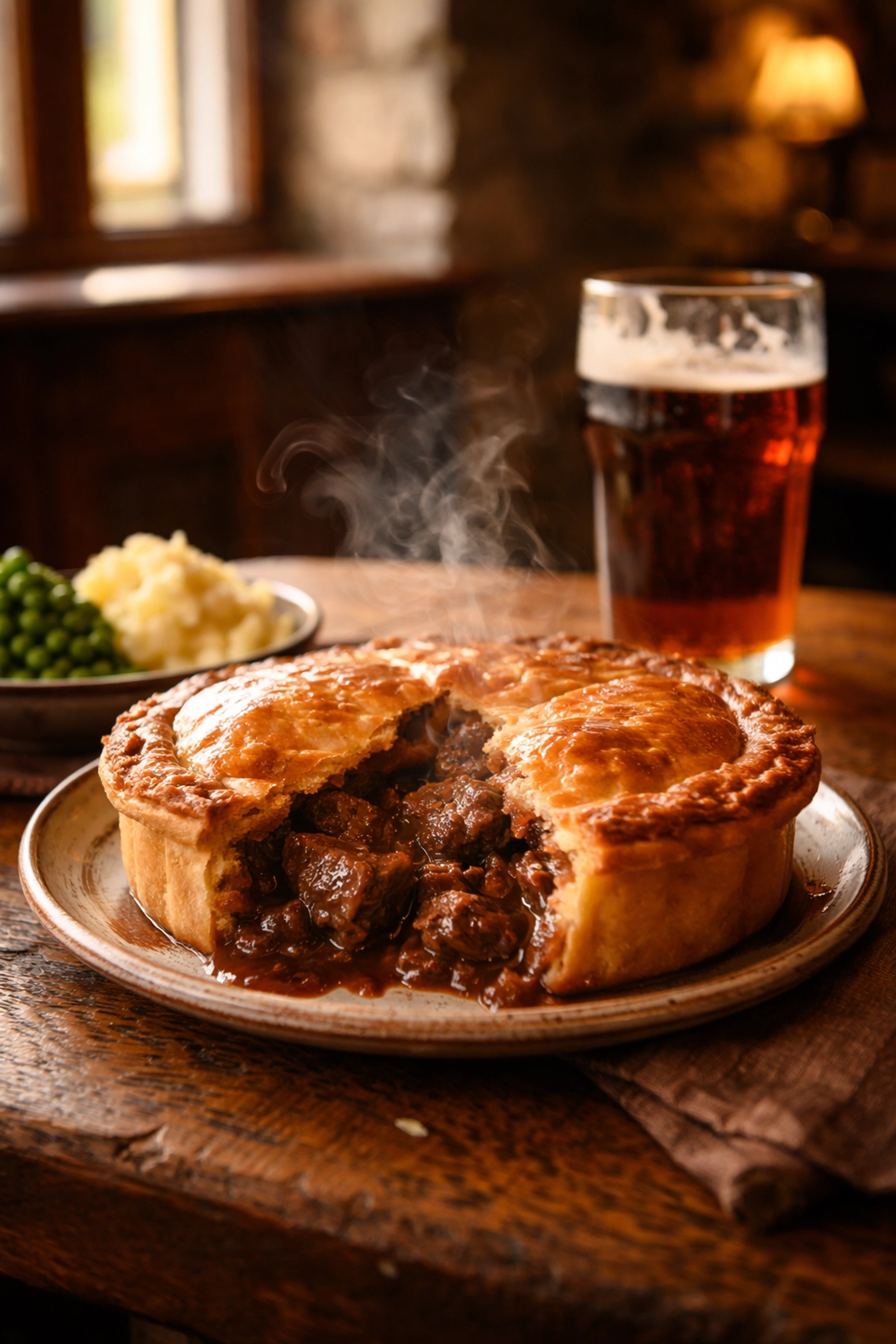
The crust should shatter. That's non-negotiable. Beneath it, you'll find chunks of beef that have been bragging in ale for hours, falling apart at the mere suggestion of a fork. The gravy is dark, rich, the colour of old mahogany. It pools on your plate like a promise.
At The Chequers in Churchill, they understand this. It's a proper pub with flagstone floors and the kind of low ceilings that make you feel like you're eating inside someone's rib cage. The menu changes, but the commitment doesn't: local produce, no shortcuts, plates that arrive heavy and leave empty.
Then there's The Bell in Stow-on-the-Wold. Order the ploughman's lunch if you want to understand what that phrase actually means. It's not a dainty arrangement of cheese cubes. It's a slab of local cheddar, pickled onions with actual bite, bread that could double as a weapon, and enough food to see a farm worker through an afternoon of manual labour.
The Pint Situation
You cannot separate the food from the drink here. They're married. Common-law, at minimum.
The Cotswolds runs on real ale. Not craft beer with ironic labels and tasting notes that mention "stone fruit." Real ale. The kind pulled from hand pumps by someone who doesn't need to explain what you're drinking because you can taste where it came from.
Every village has its pub. Many have several. And each one operates like a small parliament, regulars at their designated spots, unspoken rules about who stands where at the bar, a general suspicion of anyone who orders wine before 6 PM.
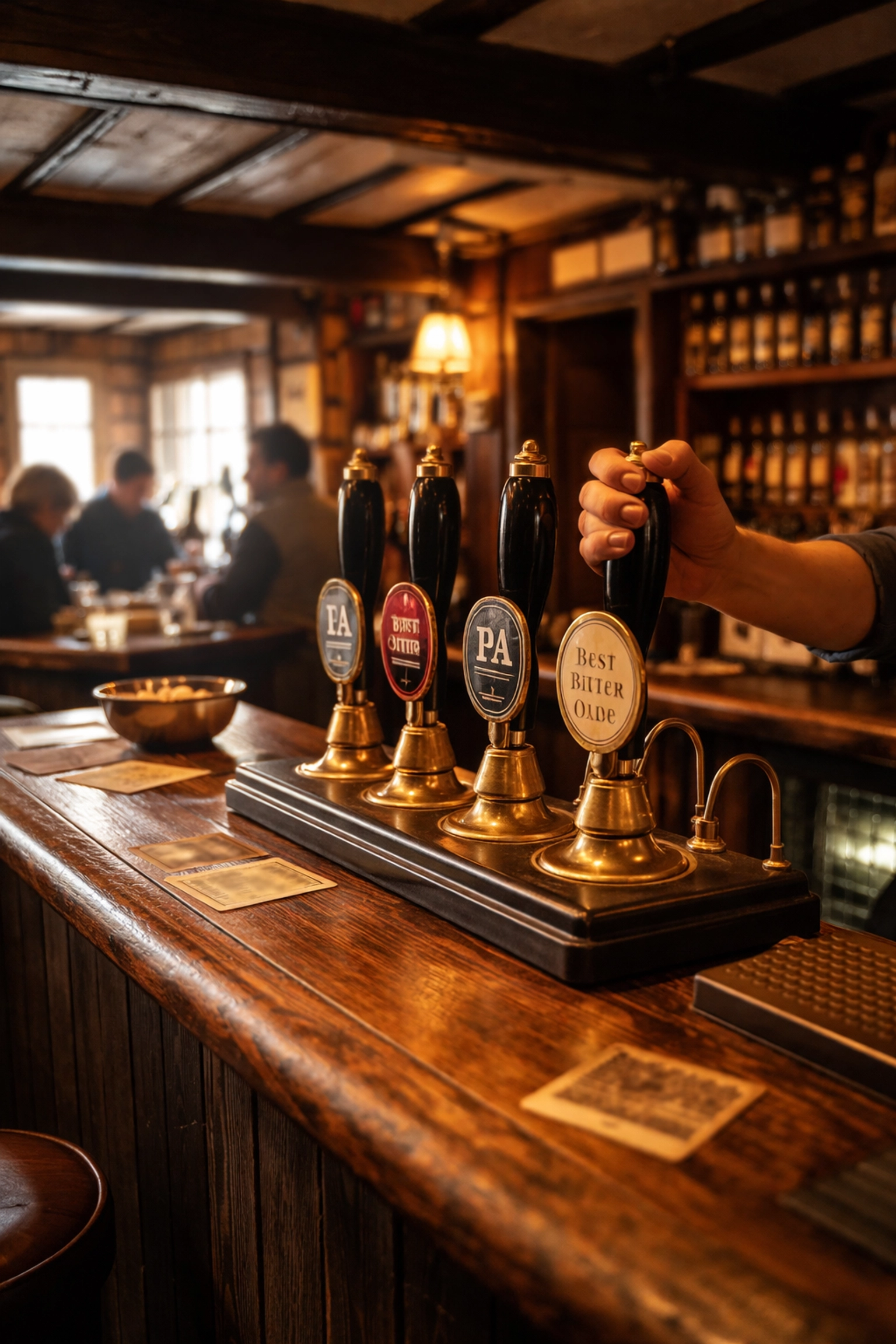
Walk into The Killingworth Castle, a 17th-century inn that earned a Michelin Bib Gourmand not by chasing trends but by refusing to abandon what works. The ale selection rotates. The food manages to be both inventive and deeply traditional, like someone figured out how to honour their grandmother and impress a critic at the same time.
This is where the small-group approach pays off, by the way. On a Cotswolds tour with Shakespeare Coaches, you can actually stop. Sit down. Let the meal happen at its own pace. Try fitting that into a 50-person coach schedule with a laminated itinerary and a bathroom break timed to the minute.
The Lamb, the Cheese, and Other Non-Negotiables
Cotswold lamb is not a marketing term. It's a specific thing: sheep raised on the rolling grasslands of this region, their meat rich and tender from a diet of whatever grows in these fields. You'll find it roasted, braised, sometimes ground into shepherd's pies that blur the line between comfort food and something approaching the sacred.
And then there's Double Gloucester. Creamy, nutty, made from the milk of cows who've been grazing this land long before anyone thought to put the word "artisanal" on a label. You can buy it at The Cotswold Cheese Company in Moreton-in-Marsh, where they'll let you taste before you commit, because this isn't a supermarket, and your preferences matter.
For the adventurous, there's Stinking Bishop. The name is not metaphorical. It's a washed-rind cheese with the kind of aroma that clears rooms and starts conversations. Not for everyone. But then again, nothing worth eating ever is.
Markets and the Morning Ritual
If you want to see the Cotswolds as it actually lives, not as it performs for tourists, show up early on a Saturday morning at Chipping Campden Market Hall.
The building itself is a 17th-century structure, open-sided, designed for exactly this purpose: farmers and producers hauling their goods to town, setting up tables, selling directly to people who will cook this food that night.
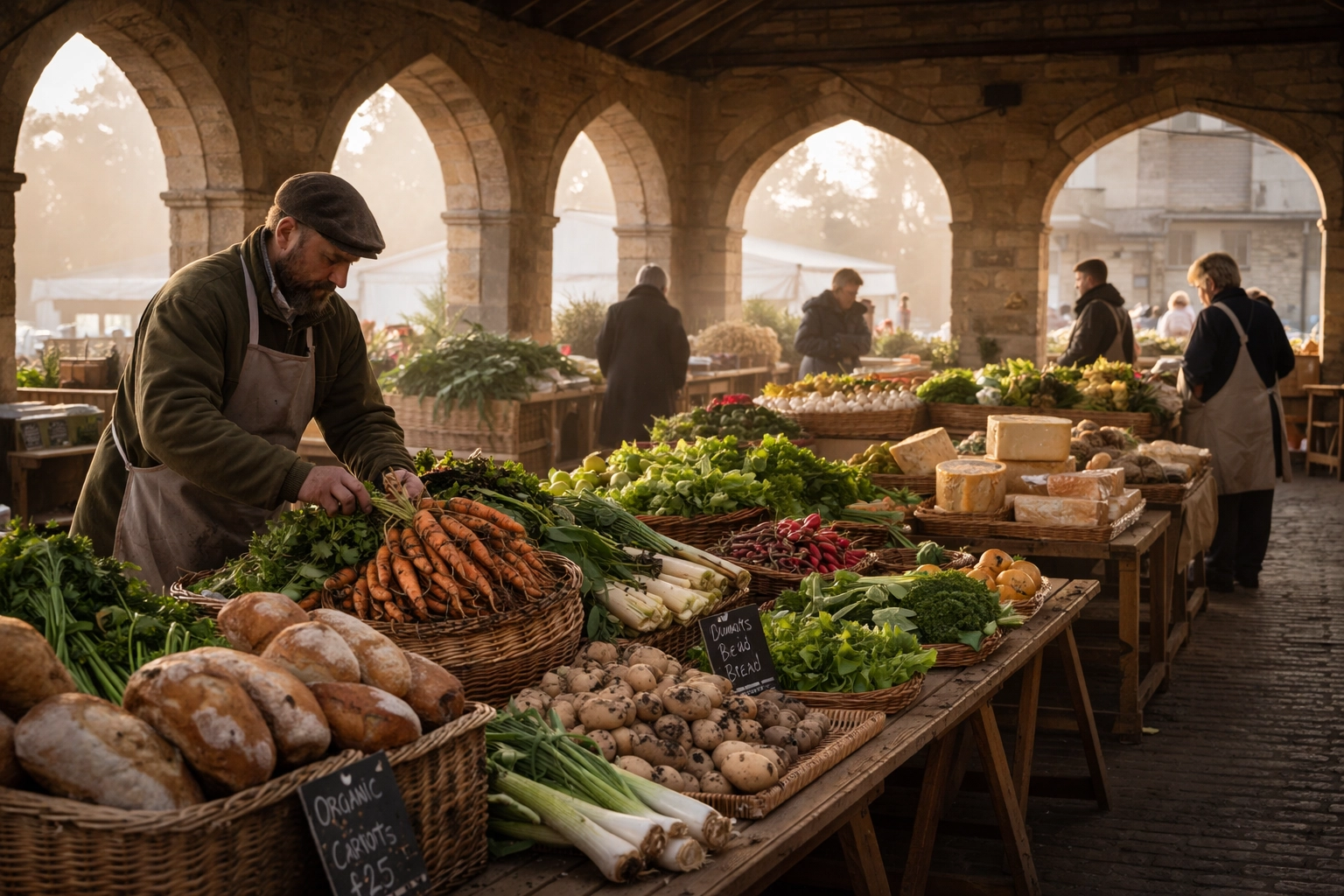
You'll find fresh vegetables still wearing traces of soil. Preserves made in kitchens, not factories. Bread from Hobbs House Bakery that requires no further explanation beyond the fact that it's been feeding this region for over 100 years.
This is where the Cotswolds stops being a destination and starts being a place where people actually live, work, and eat. The difference matters. A destination sells you an experience. A place invites you in.
Beyond the Pub: When the Cotswolds Gets Fancy
Look, there's nothing wrong with elevating local ingredients. The problem is when "elevated" becomes code for "small portions, big prices, and foam."
The Wild Rabbit in Kingham walks that line carefully. Michelin-starred, yes, but rooted in the same farm-to-table principles that govern the humblest pub kitchen. The ingredients are local. The preparations respect what they're working with. You'll pay more, but you won't leave hungry or confused about what you just ate.
The Feathered Nest in Nether Westcote offers countryside views that would make a location scout weep, but the food stands on its own merit. British-European, seasonal, the kind of menu that changes because the ingredients do: not because someone in marketing decided it was time for a rebrand.
And for those who've built a lifestyle around organic this and sustainable that, Daylesford Organic Farm near Kingham delivers without the smugness. It's a working farm. The food is fresh because it was growing a few hundred metres away this morning.
The Deeper Cuts
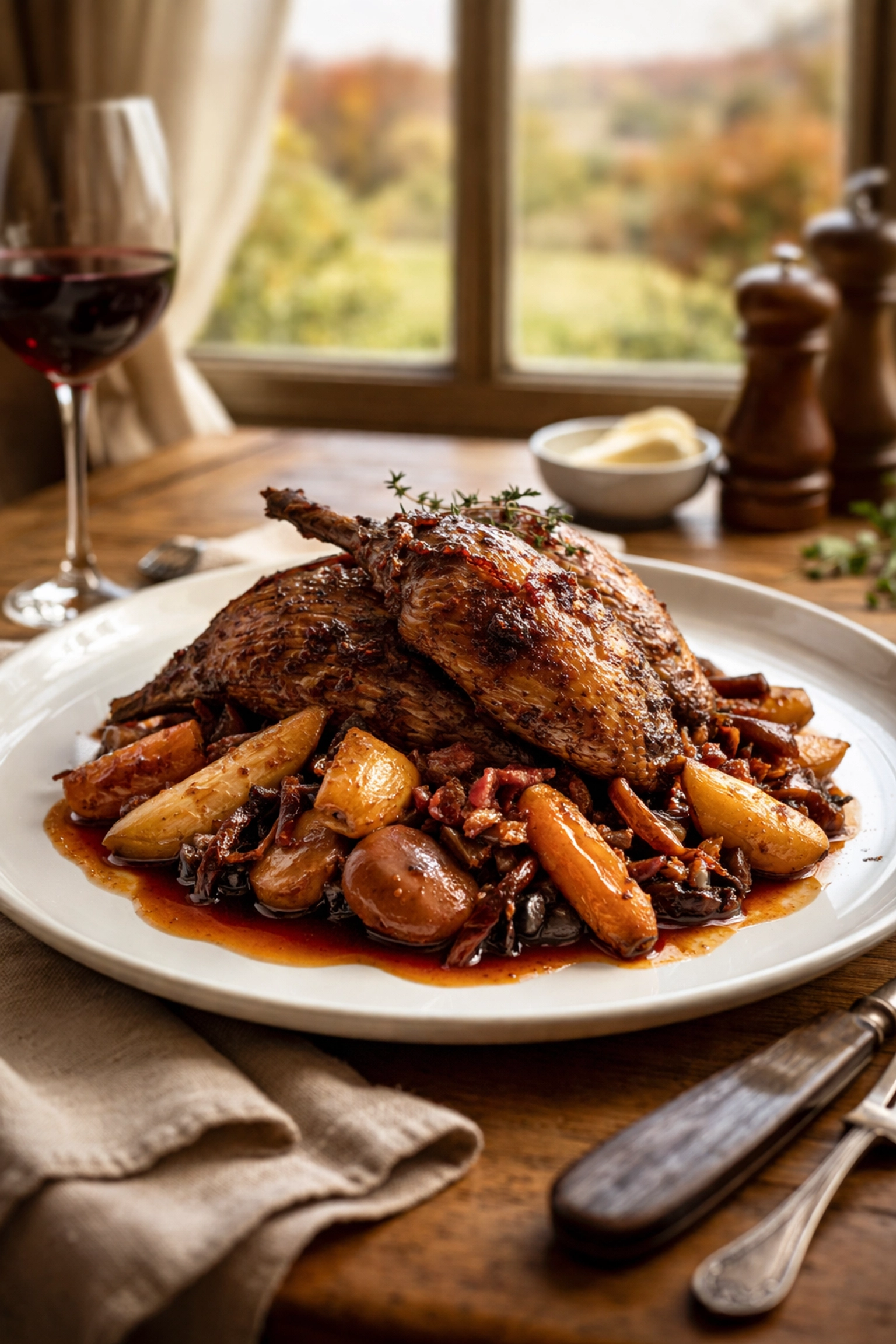
Game season: autumn into winter: brings venison, pheasant, partridge. This is not hunting-lodge posturing. It's practical eating: what's available, what the land provides, what people have been cooking here for generations before anyone invented food trends.
Bibury trout comes from waters that have been producing fish since before the Domesday Book. Tewkesbury mustard adds heat with a history stretching back to medieval England.
Even the spirits have shifted. The Cotswolds Distillery: the first full-scale distillery in the region: produces a dry gin and single malt whisky that taste like the place they come from. Not a gimmick. Just good booze made by people who care about their craft.
The Point of All This
Eating well in the Cotswolds isn't difficult. But it requires abandoning the checklist mentality that turns travel into box-ticking.
Skip the places with photos of their food on signboards outside. Walk past the tearoom with the queue of tour groups. Find the pub where the locals don't look up when you enter because they're focused on their pints and their conversations.
A day tour from London can get you here. The right one: small group, flexible, driven by someone who knows which roads lead to the real places: can change what you thought you knew about English food.
The pie will be waiting. The pint will be cold. The truth, as always, is in the details.
Explore our Cotswolds day tour from London for itinerary and booking details.